


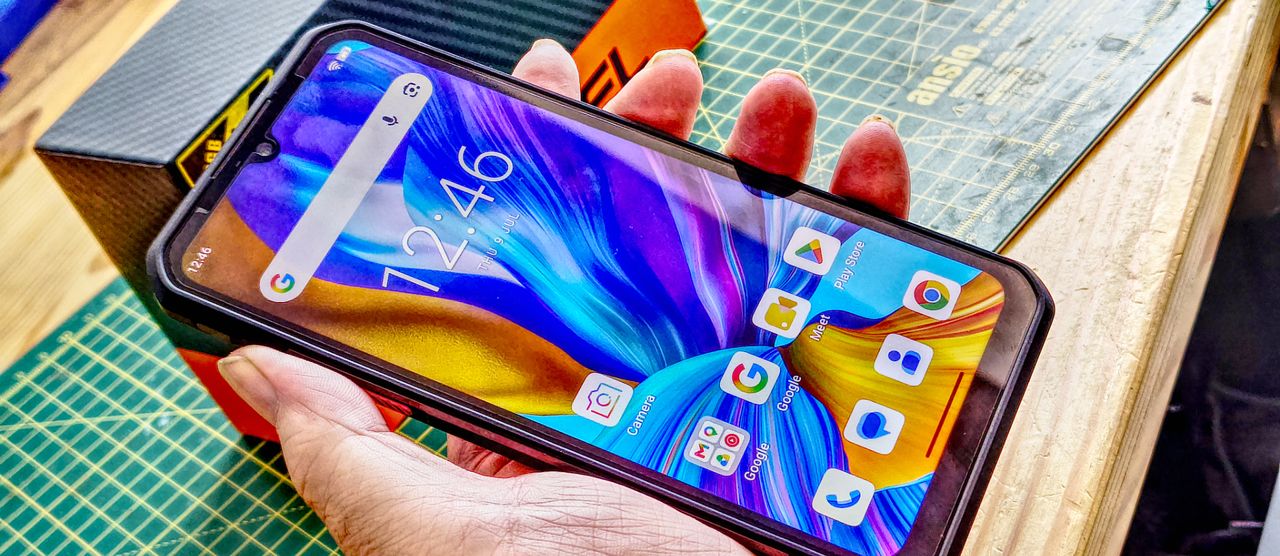
Oukitel WP68 Air: 30-second review
The Oukitel WP68 Air lands as the accessible end of the WP68 family. Where the WP68 Pro chases a slim, cyber-styled design, the Air keeps things simple and in some ways more elegant.
Oukitel pitches this as a phone for anyone who wants rugged durability without the price tag of a flagship, and to that end, a 6.88-inch HD+ screen and an 8000mAh battery to do the heavy lifting.
On paper, its specifications undercut most of the rugged pack. The 12GB of RAM and 512GB of storage look generous for the money, and the 64MP main camera promises more than a token effort in daylight. Android 16 also puts it ahead of several rivals still shipping on older builds.
This is a classic rugged phone able to withstand what the environment can throw at it, and the owner being clumsy, but it tries to have a foot also in the practical camp for those who need a daily driver.
The screen is 6.88 inches, making it easy to read, but the resolution isn’t great, and the 450-nit brightness isn’t ideal for working in sunlight. Another limitation is that video capture is only 1440p, not 4K.
If you don’t do much photography, these aspects might not be an issue for you, but it’s useful to be aware of these things before purchasing.
However, the biggest issue with the WP68 Air is that, compared to some previous Oukitel phones with better SoCs and cameras, its asking price doesn’t make it a bargain. And a few other annoyances stop this from joining our hallowed collection of best rugged phones.
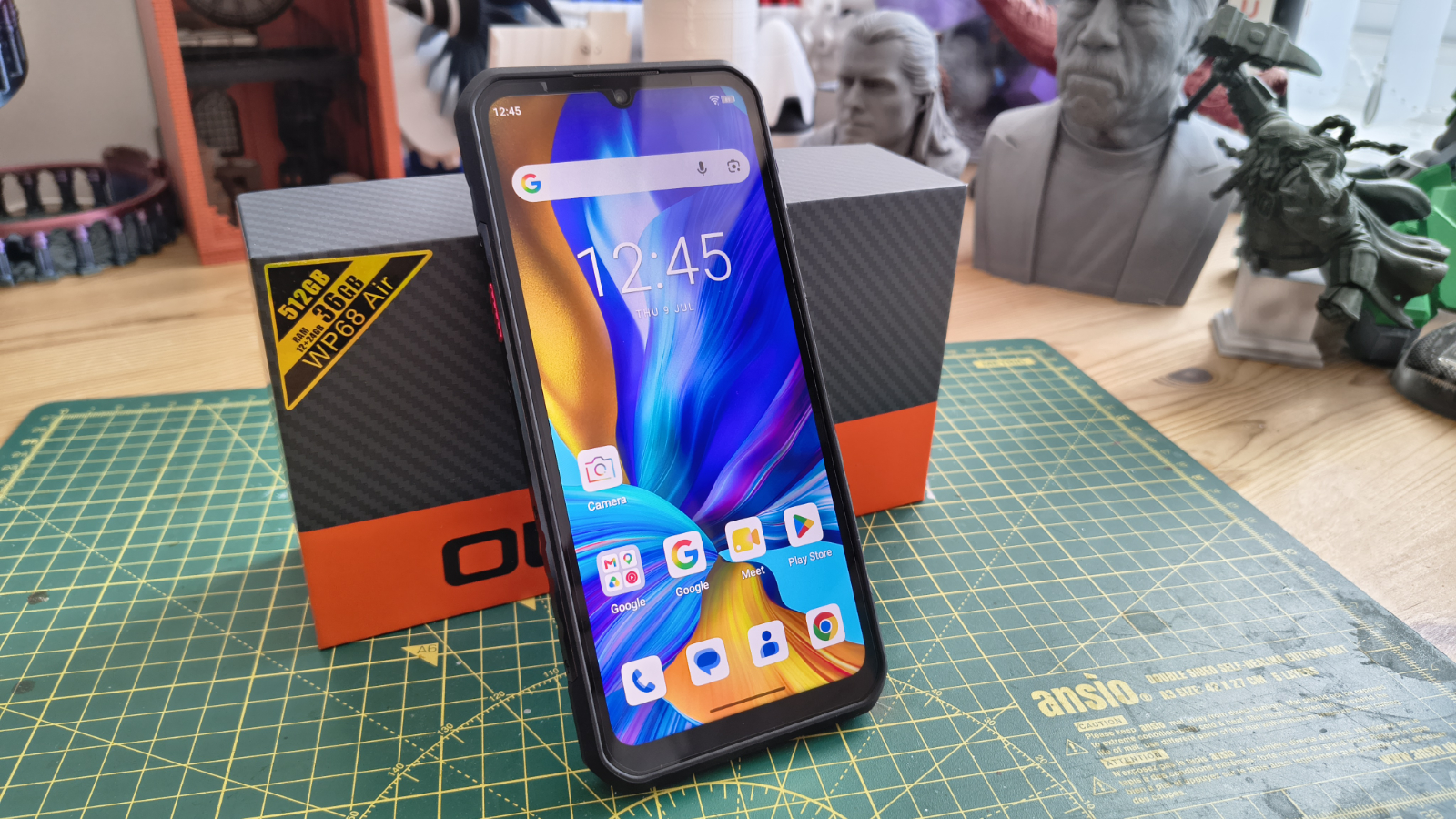
Oukitel WP68 Air: price and availability
- How much does it cost? $420/£270/€360
- When is it out? Available now in some regions
- Where can you get it? Direct from the maker
The asking price direct from Oukitel is $419.99, which doesn’t sound excessive for a phone with 12GB of RAM and 512GB of storage. For UK customers, that translates into £268.99, and for Europeans it’s €359.99. But, at the time of writing, it’s out of stock for the UK.
Also, this phone isn’t available on Amazon or AliExpress, as far as I can see.
But an even greater problem for the WP68 Air is that it’s priced in some regions higher than the WP210, a phone from the same stable with better specifications.
On the German Oukitel outlet, the WP210 is priced at €319,99, a full forty euros less than the WP68 Air, a phone it crushes in every respect. On the UK site, the WP68 Air is £16 cheaper, but the more powerful SoC, better screen and cameras are easily worth the difference. And even with US pricing, the WP210 is only $30 more, and that’s still a better deal than the WP68 Air.
I’m sure there are equally competitive phones from other brands, but when a phone from the same brand undermines its own value, the WP68 Air is obviously in trouble.
There is a better phone for this money, or close, and it’s also from Oukitel.
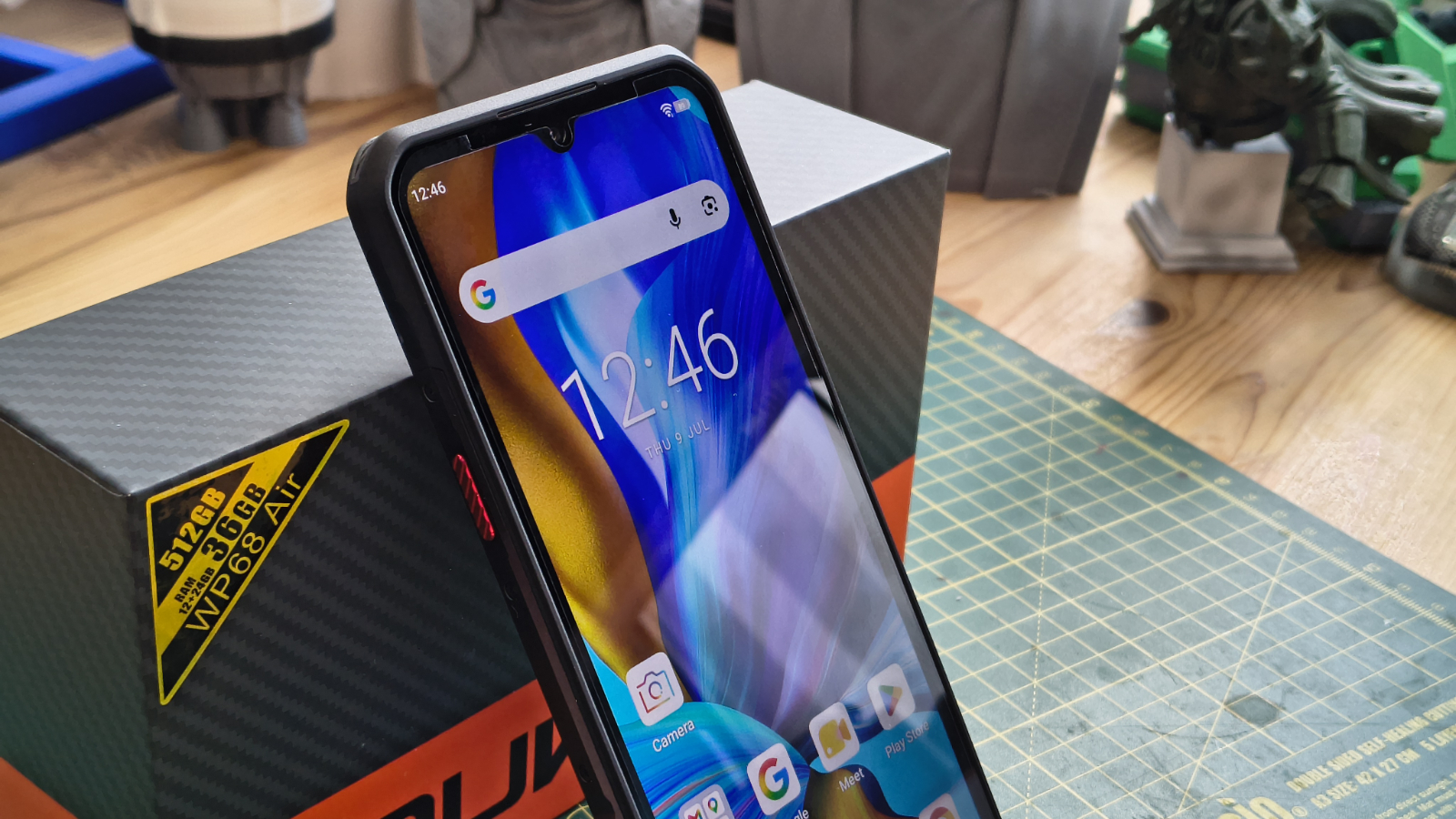
- Value score: 3.5/5
Oukitel WP68 Air: Specs
|
Item |
Spec |
|
CPU: |
MediaTek Dimensity 7025 (Octa-core, up to 2.5GHz) |
|
GPU: |
IMG BXM-8-256 (PowerVR IMG GPU) |
|
NPU: |
MediaTek NPU 550 |
|
RAM: |
12GB uMCP LPDDR5x+UFS3.1 |
|
Storage: |
512GB |
|
Screen: |
6.8″ IPS 450nit 120Hz |
|
Resolution: |
720 x 1640 |
|
SIM: |
2x Nano SIM, or 1x Nano +TF |
|
Weight: |
314g or 328g with bumper |
|
Dimensions: |
178.4 x 83.2 x 11.9mm |
|
Rugged Spec: |
IP68 IP69K dust/water resistant (up to 1.5m for 30 min), MIL-STD-810H Certification |
|
Rear cameras: |
64MP, 8MP and 2MP |
|
Front camera: |
32MP |
|
Networking: |
WiFi 5, Bluetooth 5.2 |
|
OS: |
Android 16 |
|
Battery: |
8,000 mAh battery (Max 45 charge wired) |
|
Colours: |
Orange, Black, Green |
Oukitel WP68 Air: Design
- Conservative design
- Standard button layout
- No wireless charging
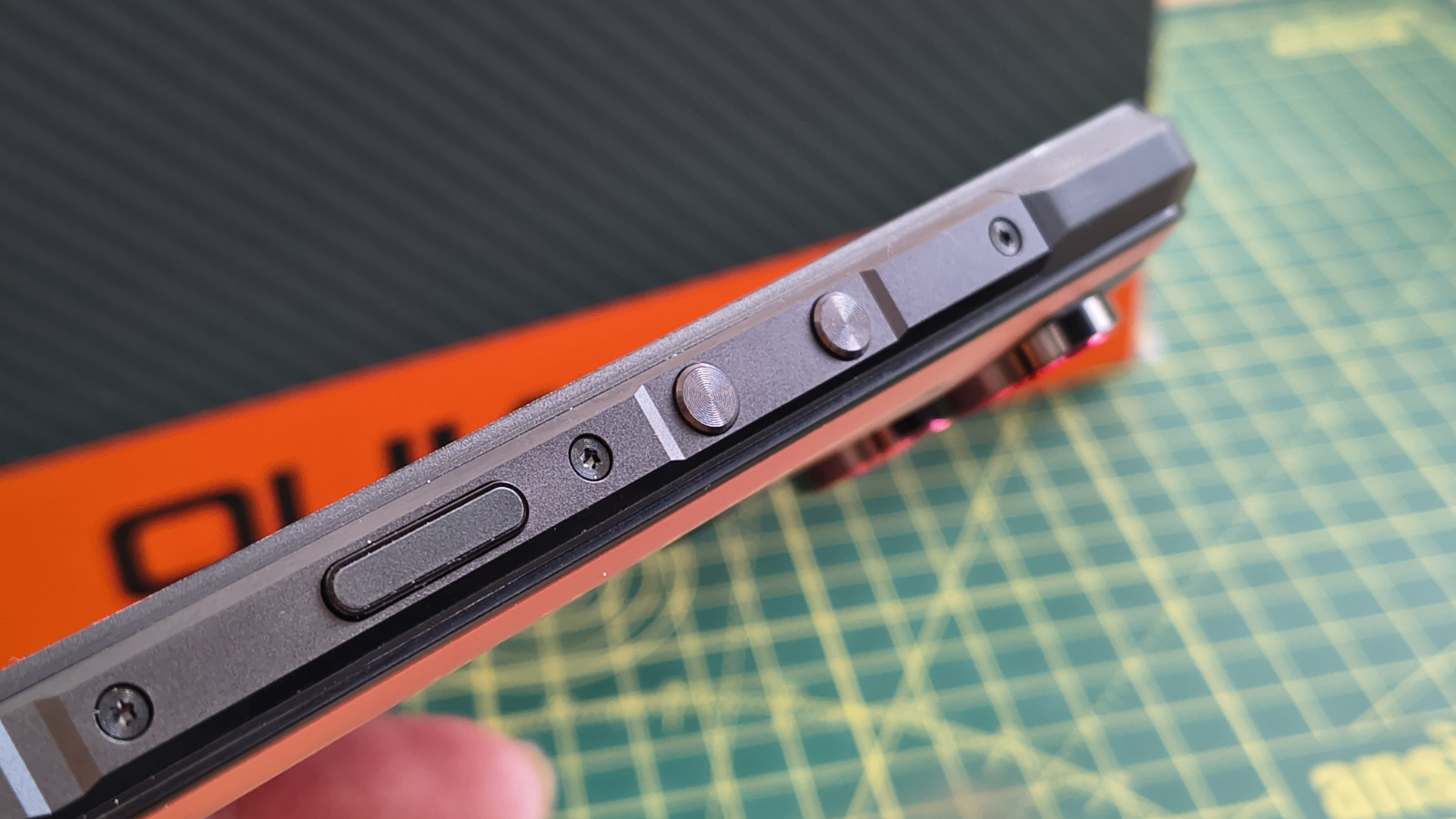
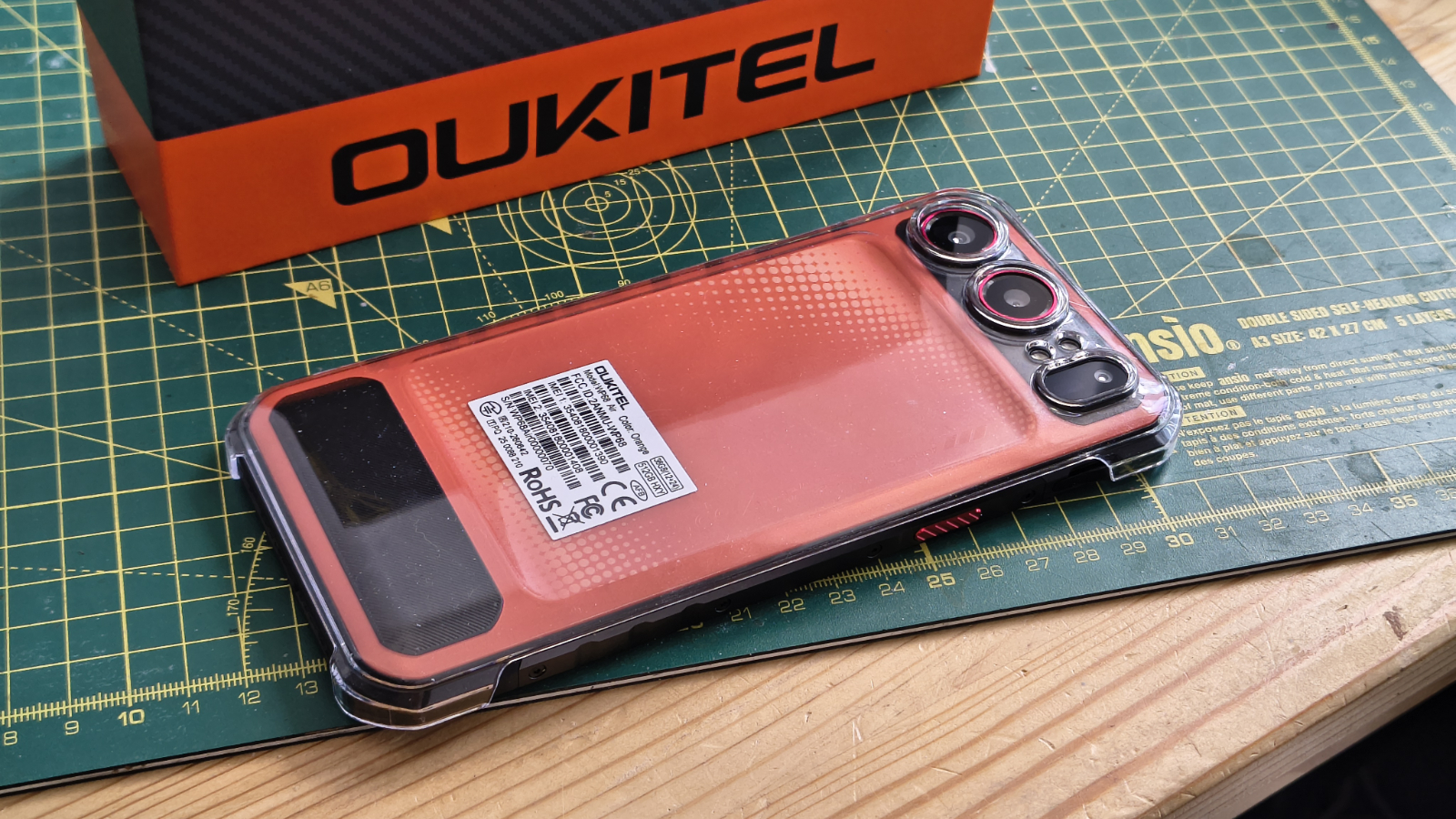
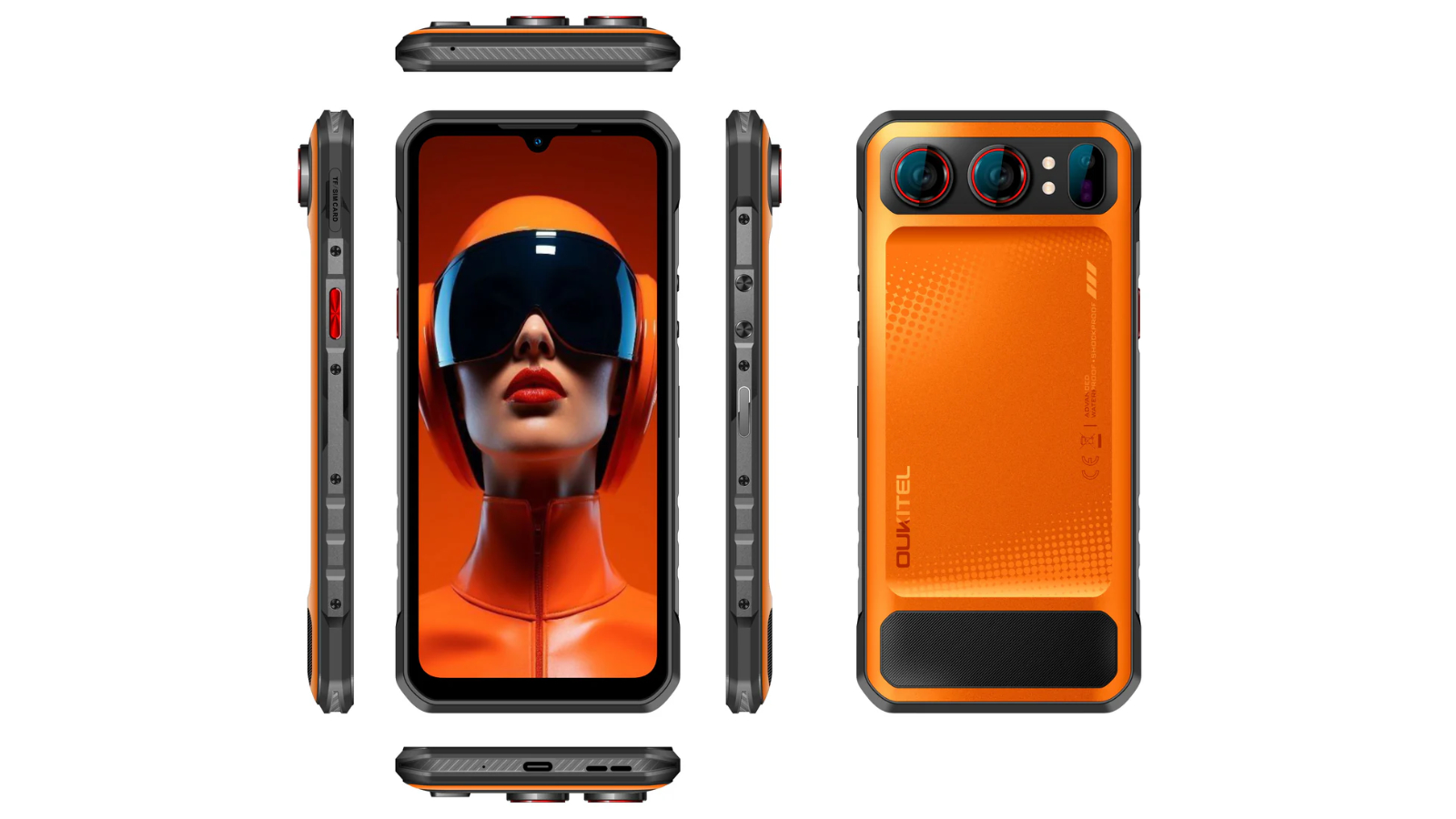
From the official images, the WP68 Air follows the familiar rugged phone formula. A reinforced frame surrounds the display, with a textured rear panel and a camera module set into a raised block on the back. It is offered in three colourways: orange, black and green.
I’m really pleased that rugged phone makers aren’t making devices that look like props from a cancelled-after-one-season sci-fi show, and for the most part, the WP68 Air looks like a large ordinary phone.
What dictates the size of this design is the headline 6.88-inch panel at HD+ resolution. That’s plenty of glass for the price, though HD+ on a screen this size will look softer than the FHD+ panels found on some competitors’ phones.
The layout is strictly by-the-numbers, with the power button and volume controls on the right, the custom button and SIM tray on the left. That’s what most people expect from an Android phone these days, and unless makers have a good reason to do something different, it seems the sensible choice
While I’m not 100% certain of this, without dismantling the phone, I’m confident that the primary camera sensor is on the centerline of the phone, with the nightvision sensor to the left and the IR lights and flash to the right.
With the camera cluster all in a horizontal line, it would have been easy to see damage to the sensor projections if Oukitel had not foreseen the issue. Counterbalancing the projections along the top, the WP68 Air has a ‘heel’ at the bottom that lets the phone lie almost flat on a table.
I assumed, then I saw this arrangement, that it was done to leave the majority of the back flat for wireless charging, but this phone doesn’t have this feature, so it’s purely aesthetic.
Not sure why so many rugged phone makers don’t like wireless charging, but apparently, they don’t.
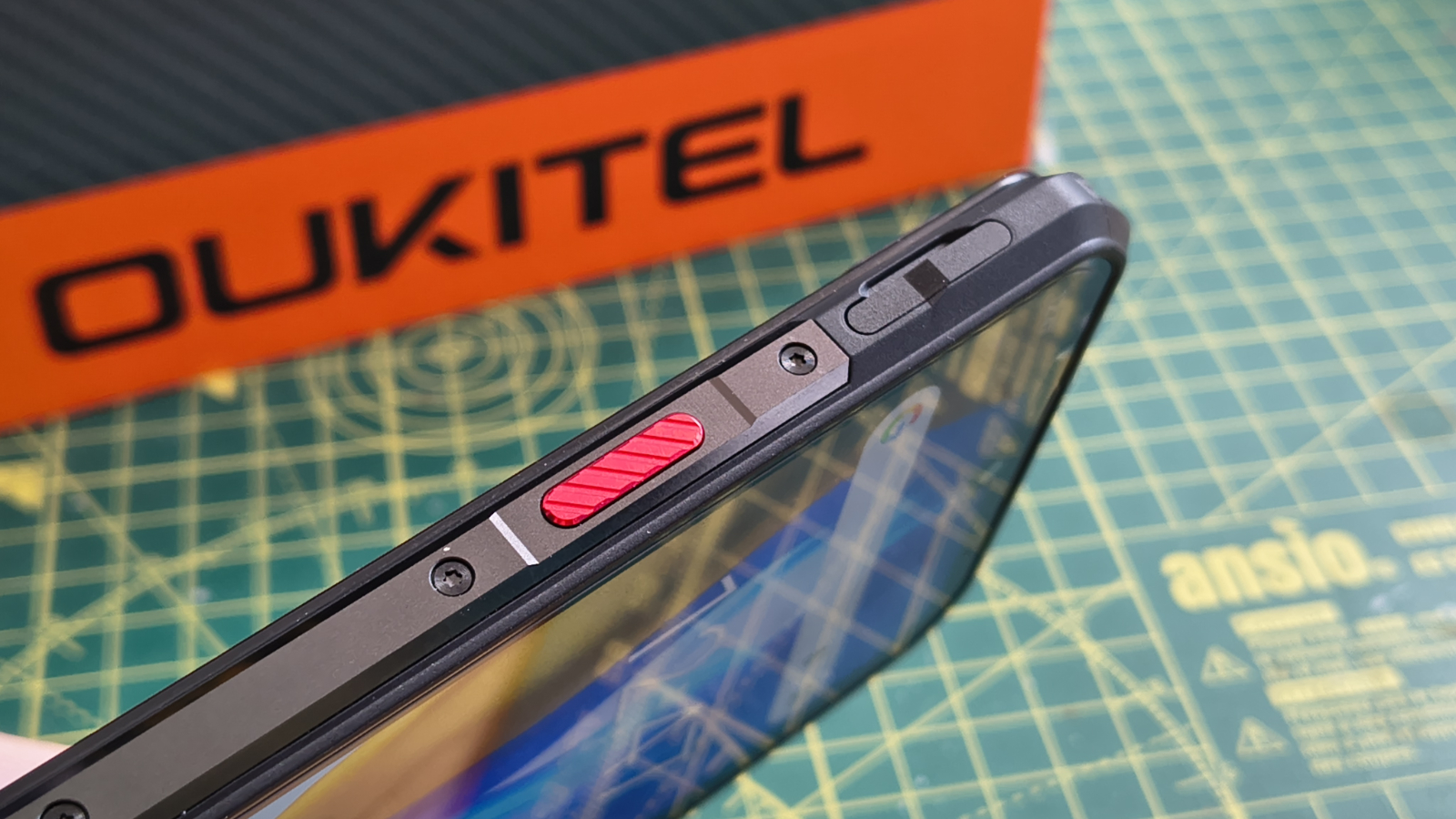
Another feature Oukitel added to this phone was a hard plastic bumper, and this is the second phone I’ve seen with one recently. Not only are these difficult to remove, but by their nature, any impact on them will be transmitted to the phone, not dissipated like they are by soft TPU-made bumpers.
For those thinking, why would you remove it? The answer is the SIM tray, which can’t be accessed with the bumper in place.
Getting it off is a challenge, due to the lack of flexibility, and I would expect some people will invariably break theirs in their attempt. I’m not a fan of this trend.
In many ways, this phone feels like a toned-down version of the WP66. While the WP66 was a heavier, thicker design, the WP68 Air is slimmer, has a larger display, a smaller battery, and a more modest primary camera sensor.
That makes the Air more ergonomic, but it reduces runtime and lowers screen resolution, even though it’s physically larger.
From a potential customer’s viewpoint, the WP69 Air is aimed at someone who wants a rugged phone as a daily driver, not a special piece of hardware for working outdoors.
Design score: 4/5
Oukitel WP68 Air: Hardware
- MediaTek Dimensity 7025
- 512GB of storage
- 8000 mAh battery
I’ve given my assessment of the Dimensity 7025 too many times, since it’s a remarkably popular choice for phone makers.
Looking back at my records, I saw this SoC in the Oukitel WP300, WP66, WP61 Plus, WP60 and WP55 Pro, and also the RugOne Xever 7 Pro.
The problem with the Dimensity 7025 is that it’s not a current-generation chip, as it’s based on 6nm technology first deployed in 2022 in the Dimensity 930.
Currently, MediaTek has 4nm and 3nm SoCs, and shortly, it will be moving to 2nm, which puts the Dimensity 7025 in perspective.
Where this is most evident in this design is the integrated PowerVR IMG BXM-8-256 GPU, a component that can’t handle all the functions of OpenGL or Vulkan, making this phone unsuitable for hardcore gamers and VR users.
What makes that GPU look slightly better to the user is the curiously low resolution of the display, being just 720 x 1640. That’s a much smaller display in pixel terms than most phones with 6.6-inch or larger displays will need to drive.
However, even with this slight advantage, the IMG BXM-8-256 is the Achilles heel of this SoC.
Where Oukitel spent the money it saved on the SoC was in the RAM and storage, which seems to contradict the current trend to reduce those to save money.
12GB of RAM is a useful amount, easily enough to ignore Oukitel trying to oversell it as 36GB using storage-mapped memory. And 512GB is also a decent amount of storage, making this phone good for 4K video capture, where file sizes can grow.
The storage capacity is also useful, because the SIM tray is dual SIM only if you don’t use a MicroSD card, which might negate that extra storage for those who need a work and home phone number.
The final jigsaw piece in the hardware of the WP68 Air is the battery, which, at 8000 mAh, is modest by rugged-phone standards. It’s more than an ordinary phone, but less than many rugged phones that often start at 10000 mAh and go up to 20000 mAh in some models.
Is it enough? That depends entirely on how you intend to use the WP68 Air, because it doesn’t sound ideal for a camping adventure away from civilisation for a week.
Due to the smaller battery capacity, this phone’s marketing materials don’t mention reverse charging, as it doesn’t support that technology.
The flip side of the smaller battery is that the phone’s overall weight is much closer to that of a standard smartphone, and it charges reasonably quickly with the provided 45W charger.
What gives me pause for thought is how this phone compares with the WP210 that Oukitel still sells. It weighs about the same, has 10% more battery, the same memory and storage, but a much more powerful SoC, an AMOLED screen, 108MP camera and reverse charging.
And, you get all that for $30 more from Oukitel. Based on the WP210, I’m not sure where those who set the price of the WP68 Air came from, but it’s a mismatch even compared to other Oukitel products.
- Hardware score: 3.5/5
Oukitel WP68 Air: Cameras
- 64MP, 8MP and 2MP on the rear
- 32MP on the front
- Four cameras in total
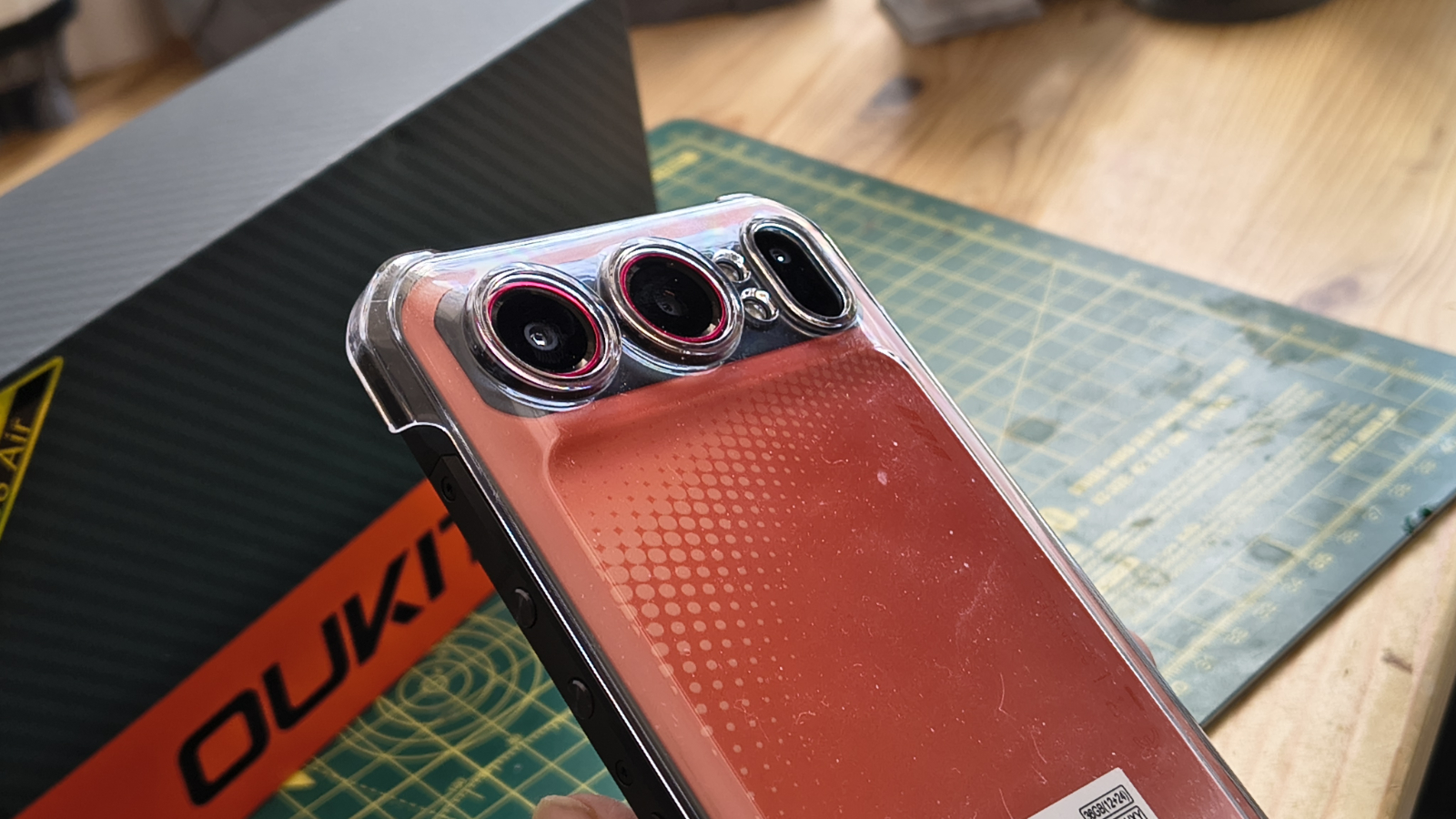
The Oukitel WP68 Air Ultra has four cameras:
Rear camera: 64MP OmniVision OV64B, 8MP Hynix Hi-846 nightvision , 2MP GalaxyCore GC02M1 macro
Front camera: 32MP Sony IMX616
Oukitel WP68 Air Camera samples
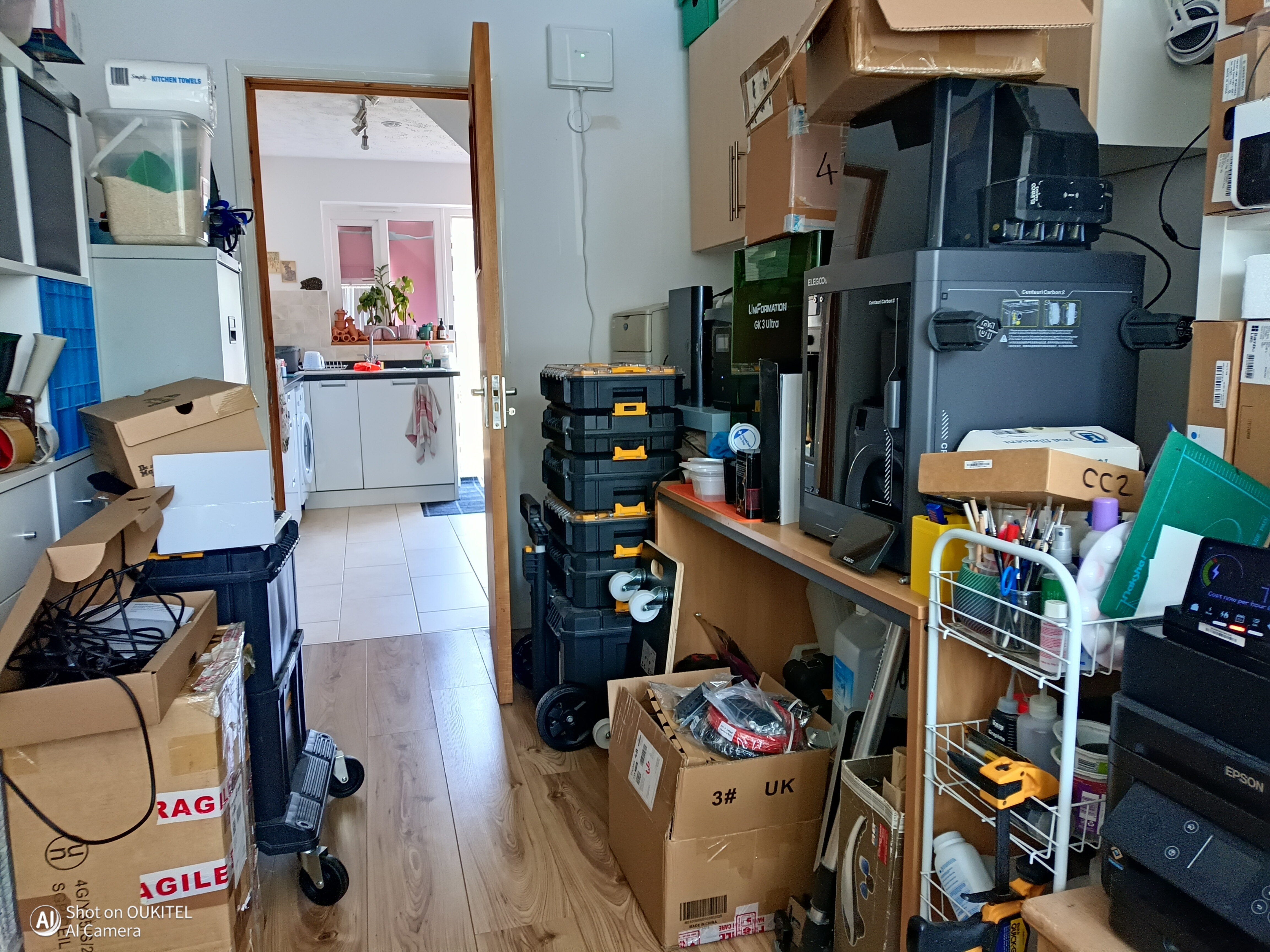
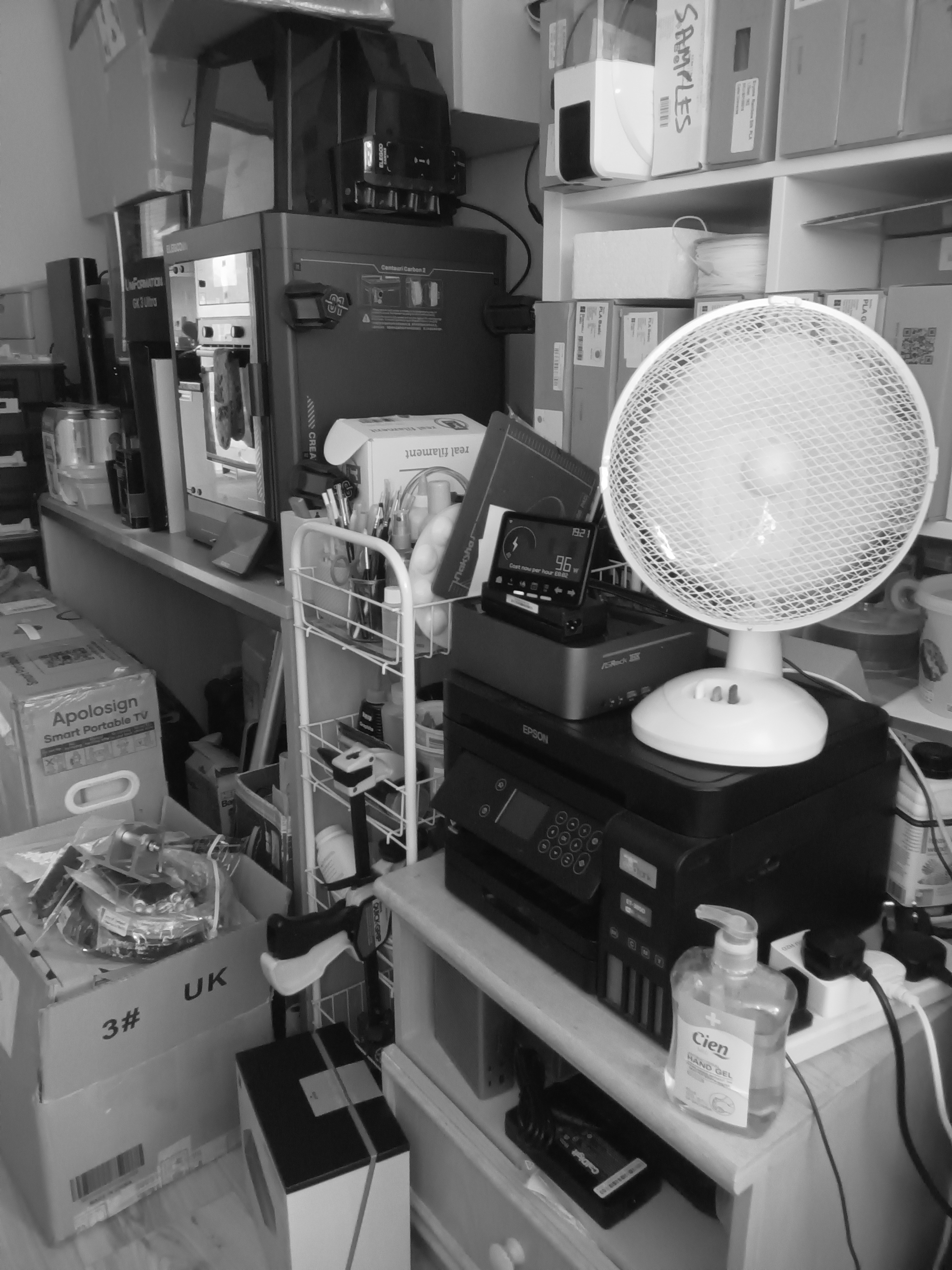

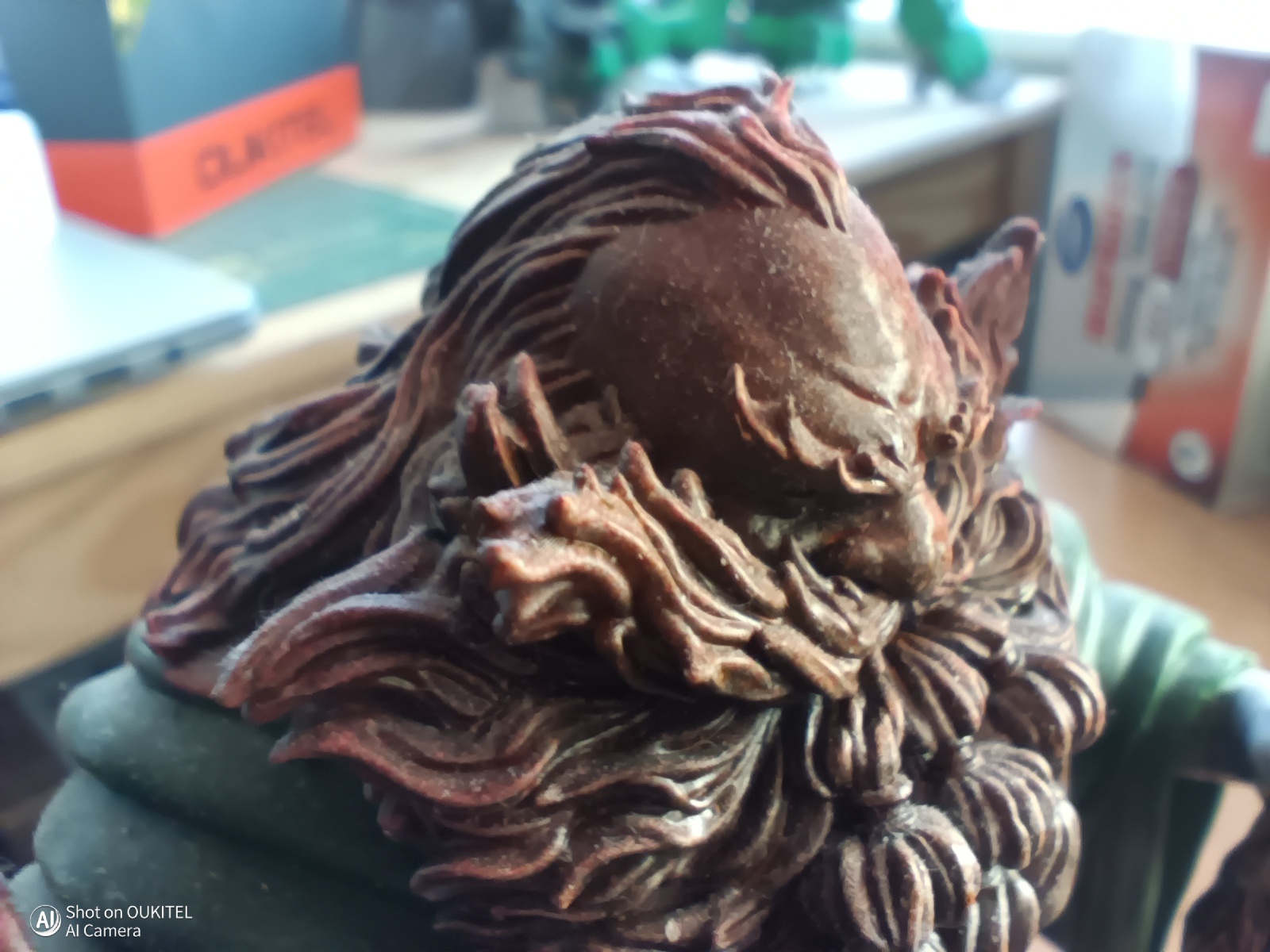
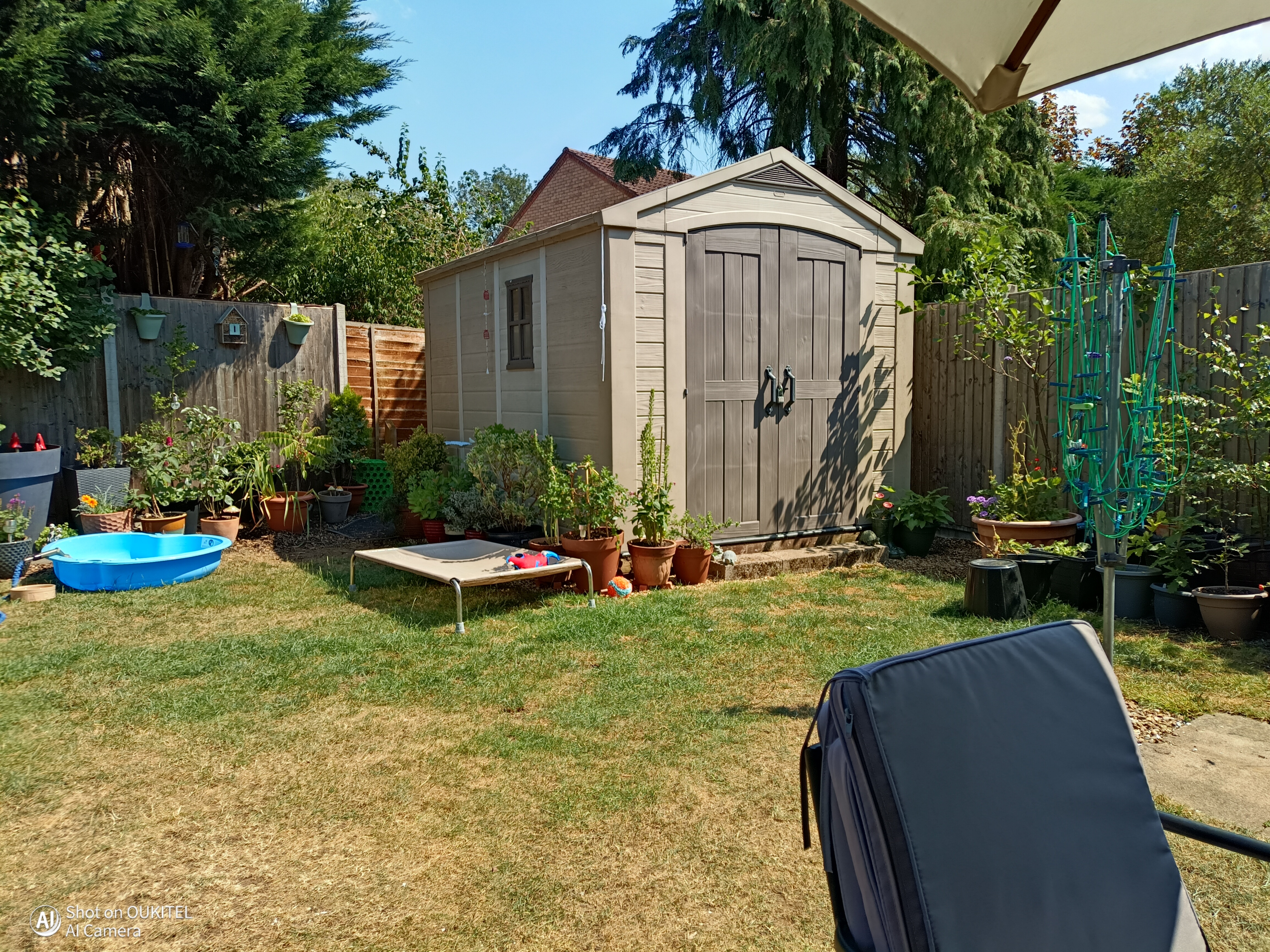
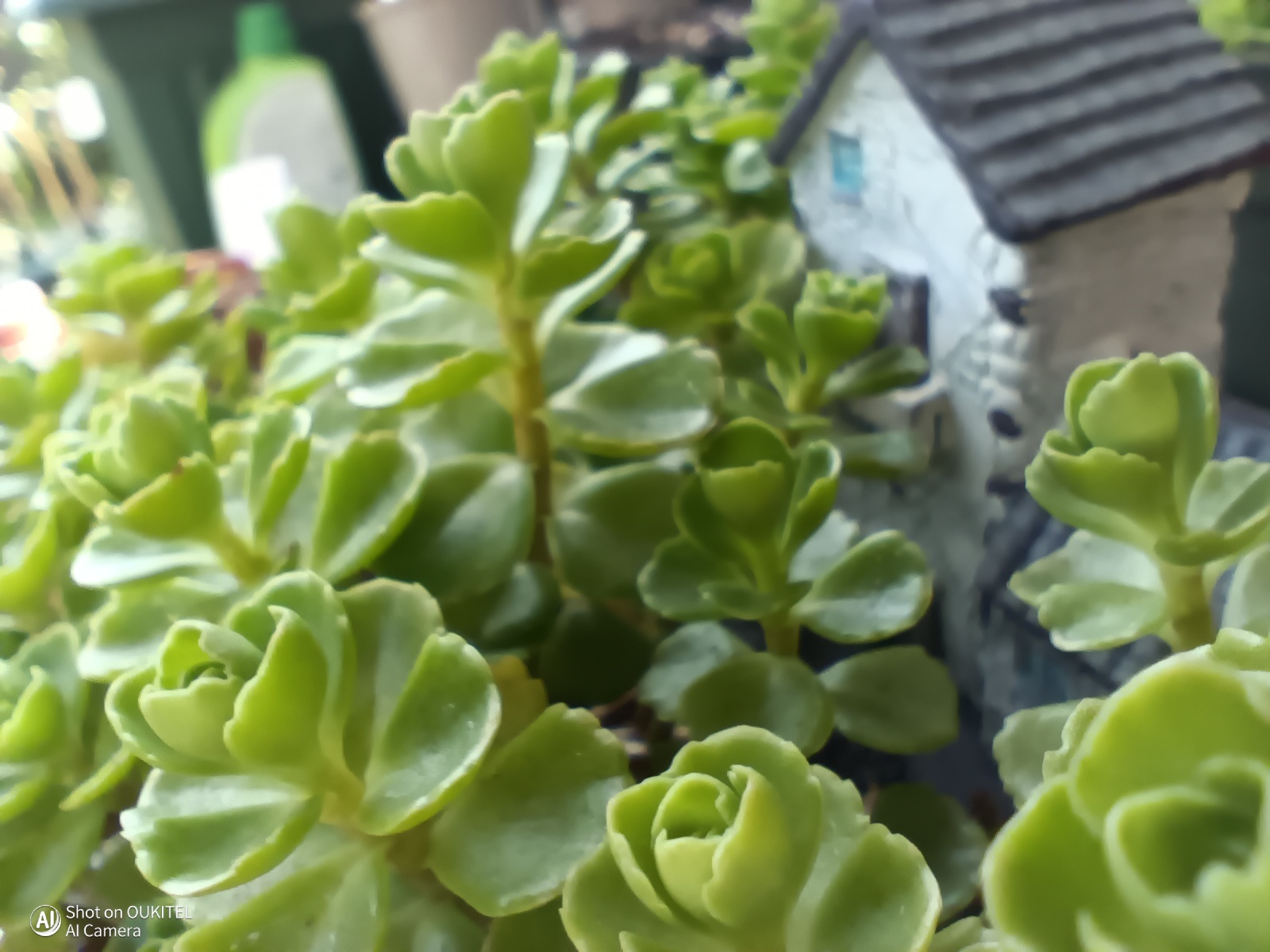
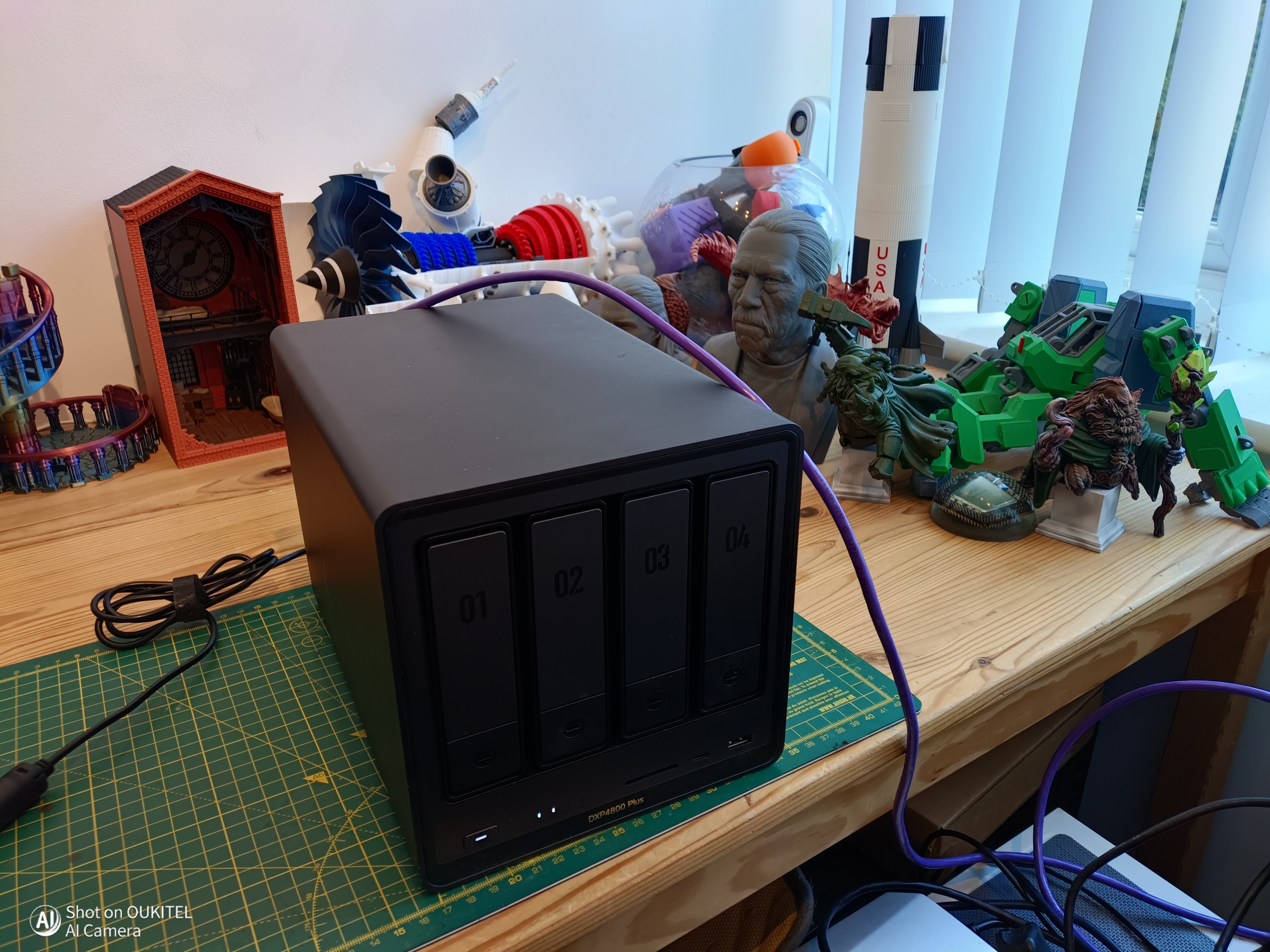
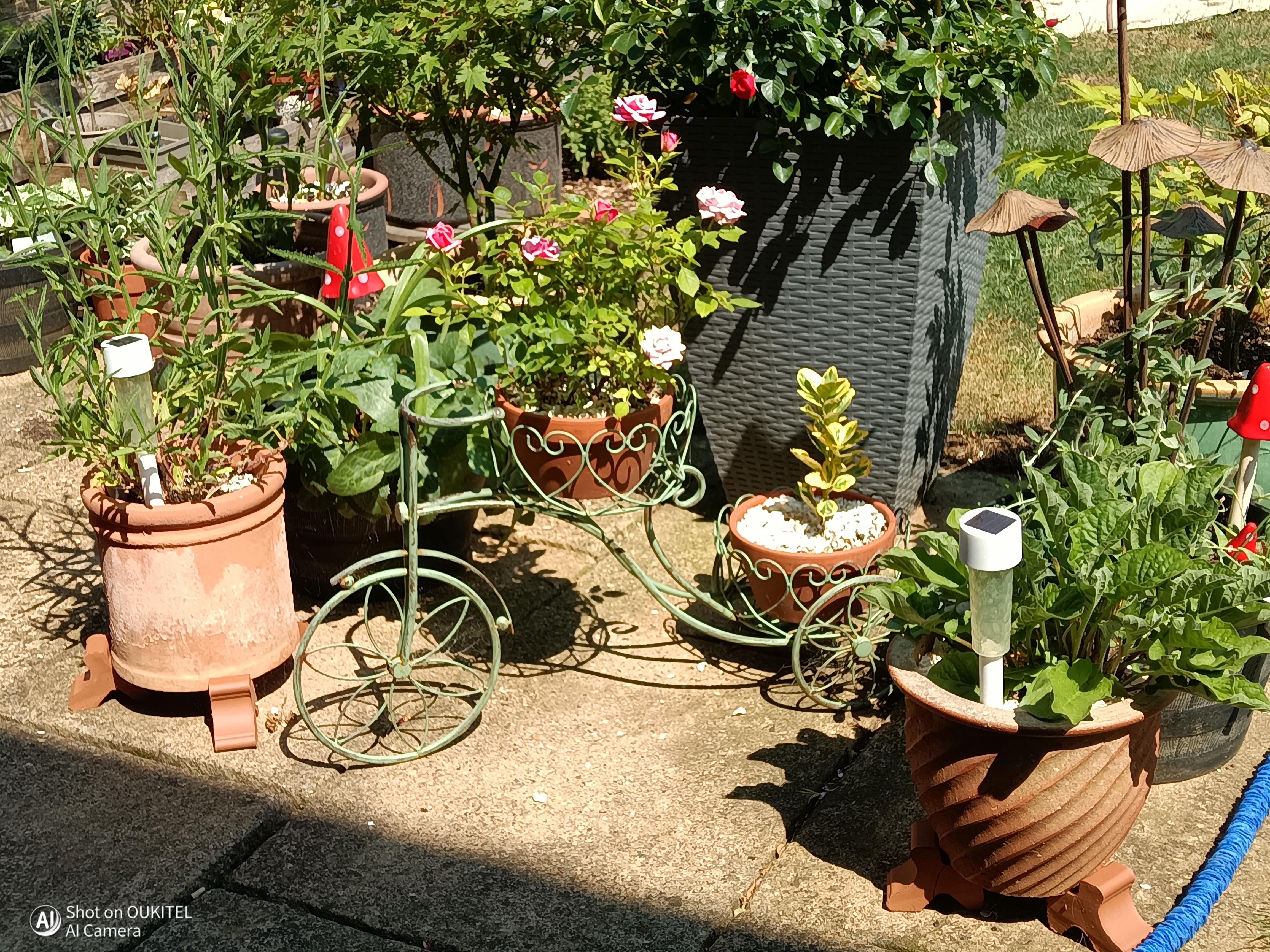
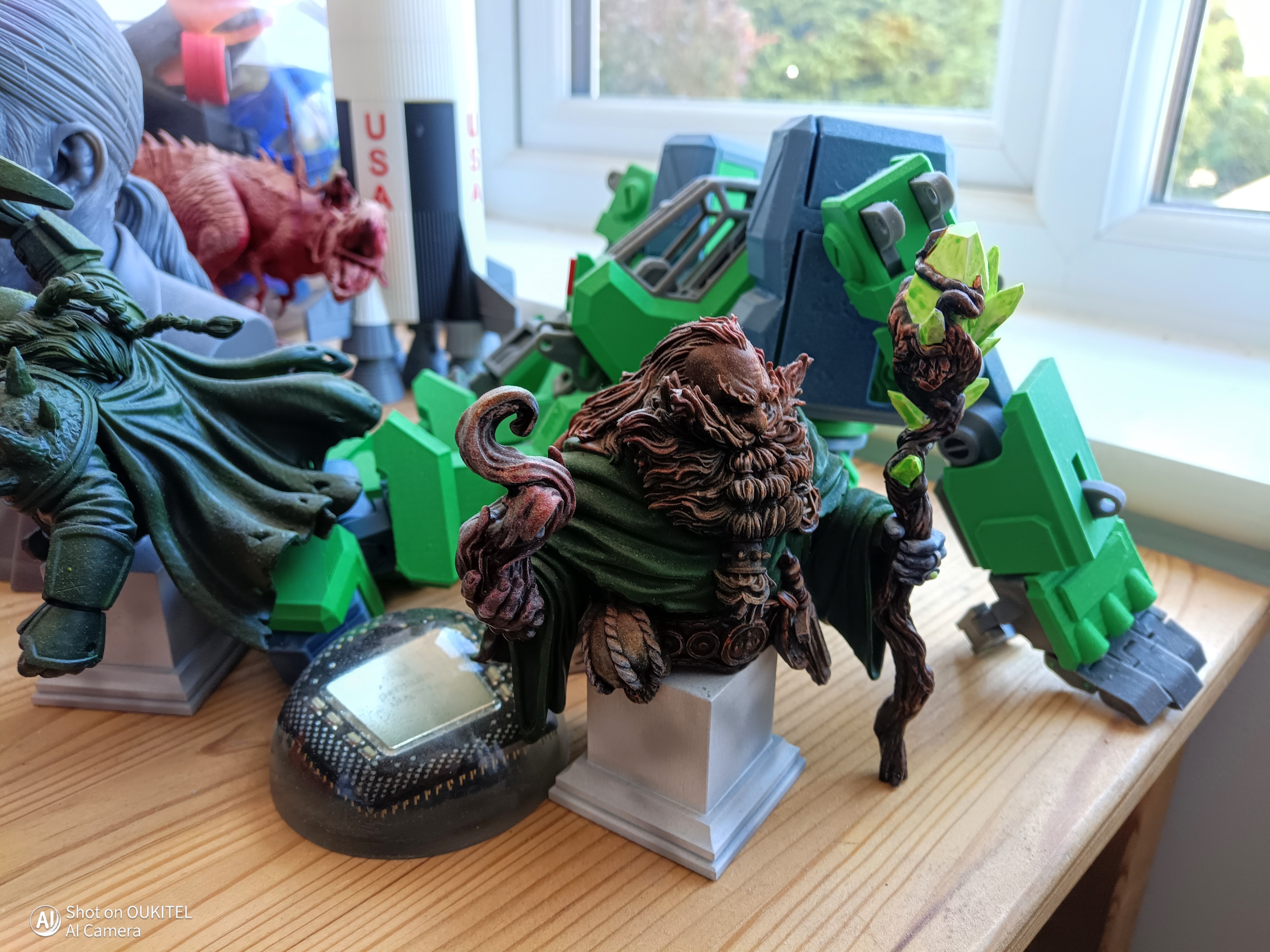
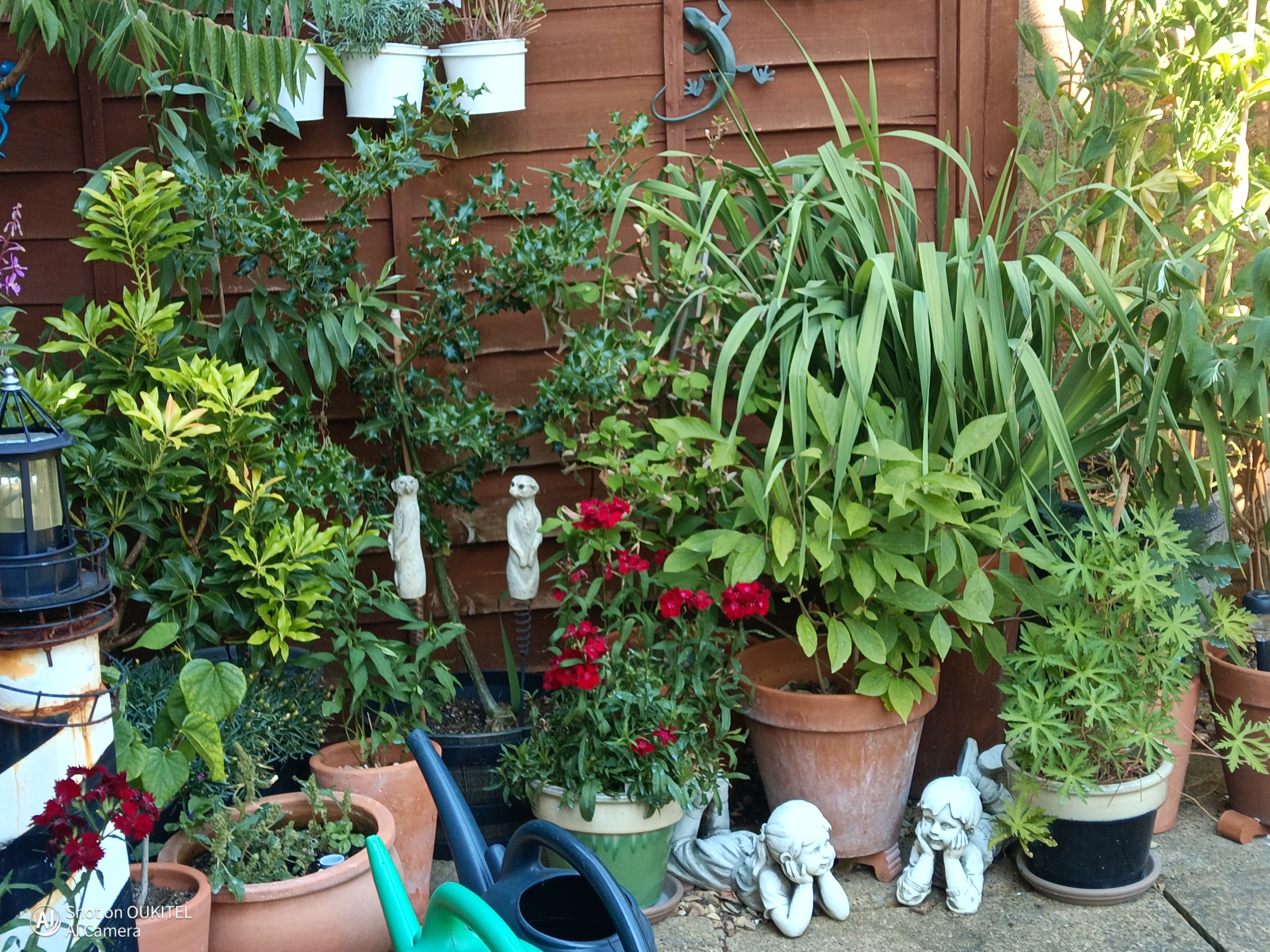
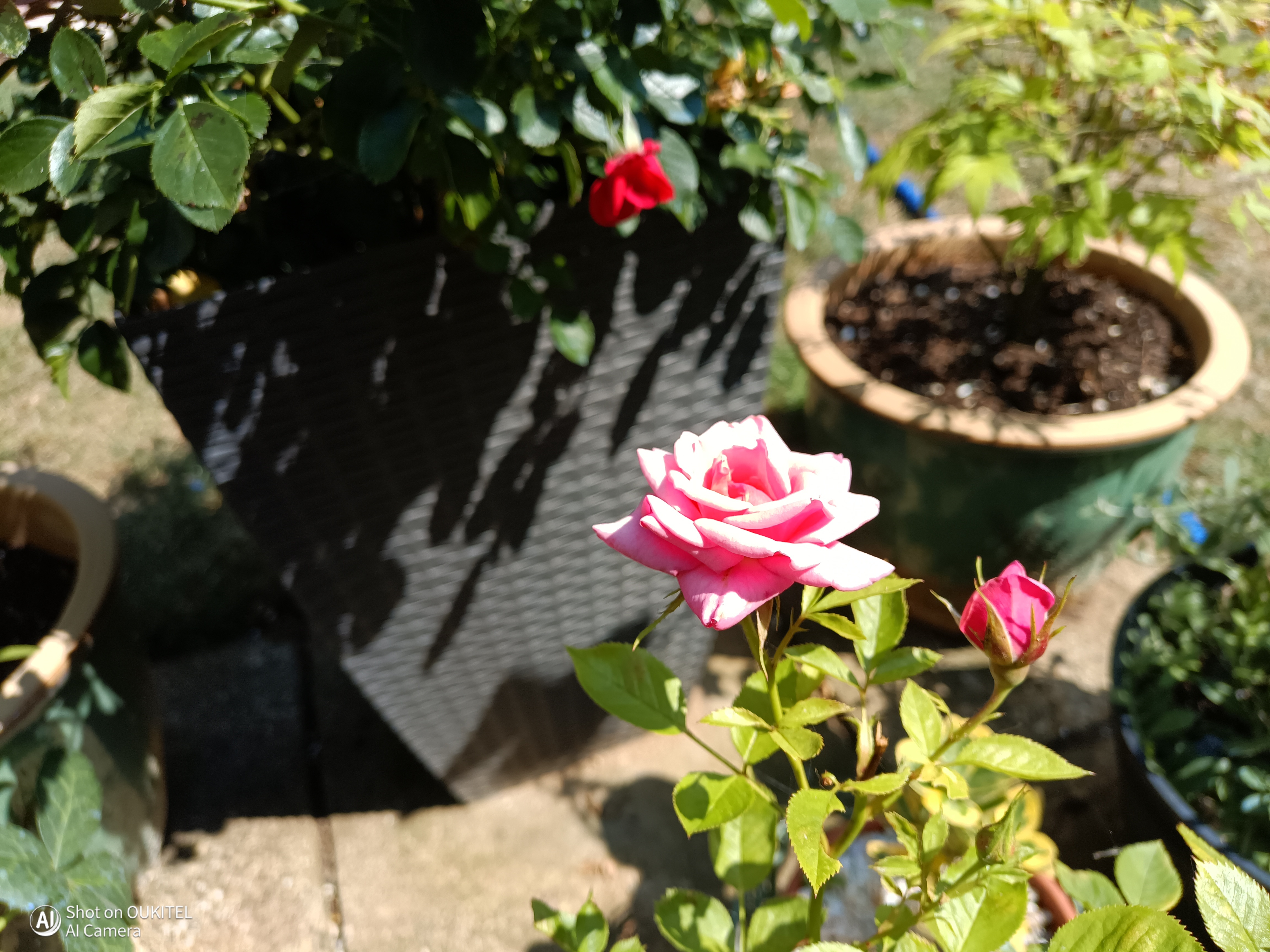
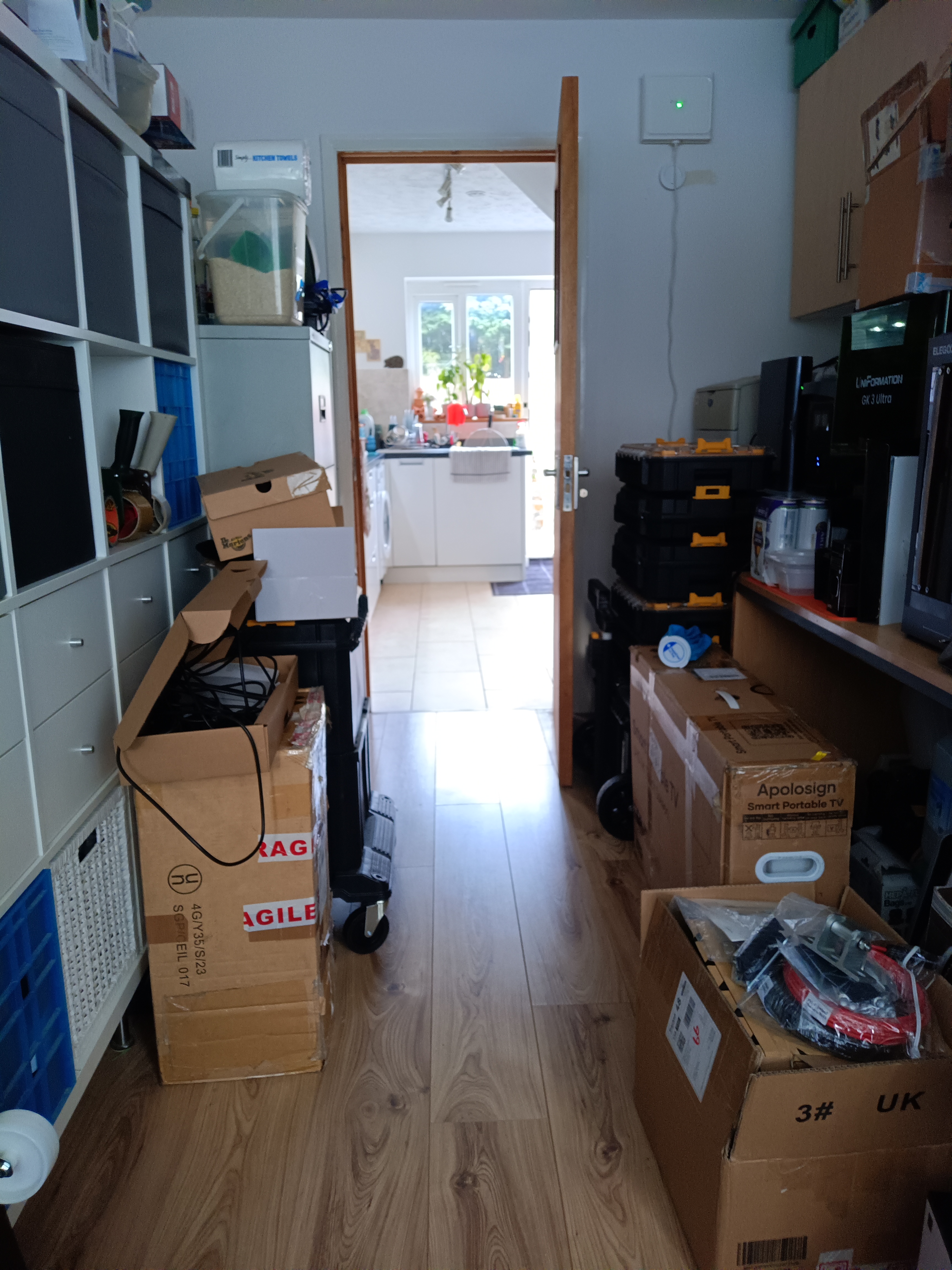
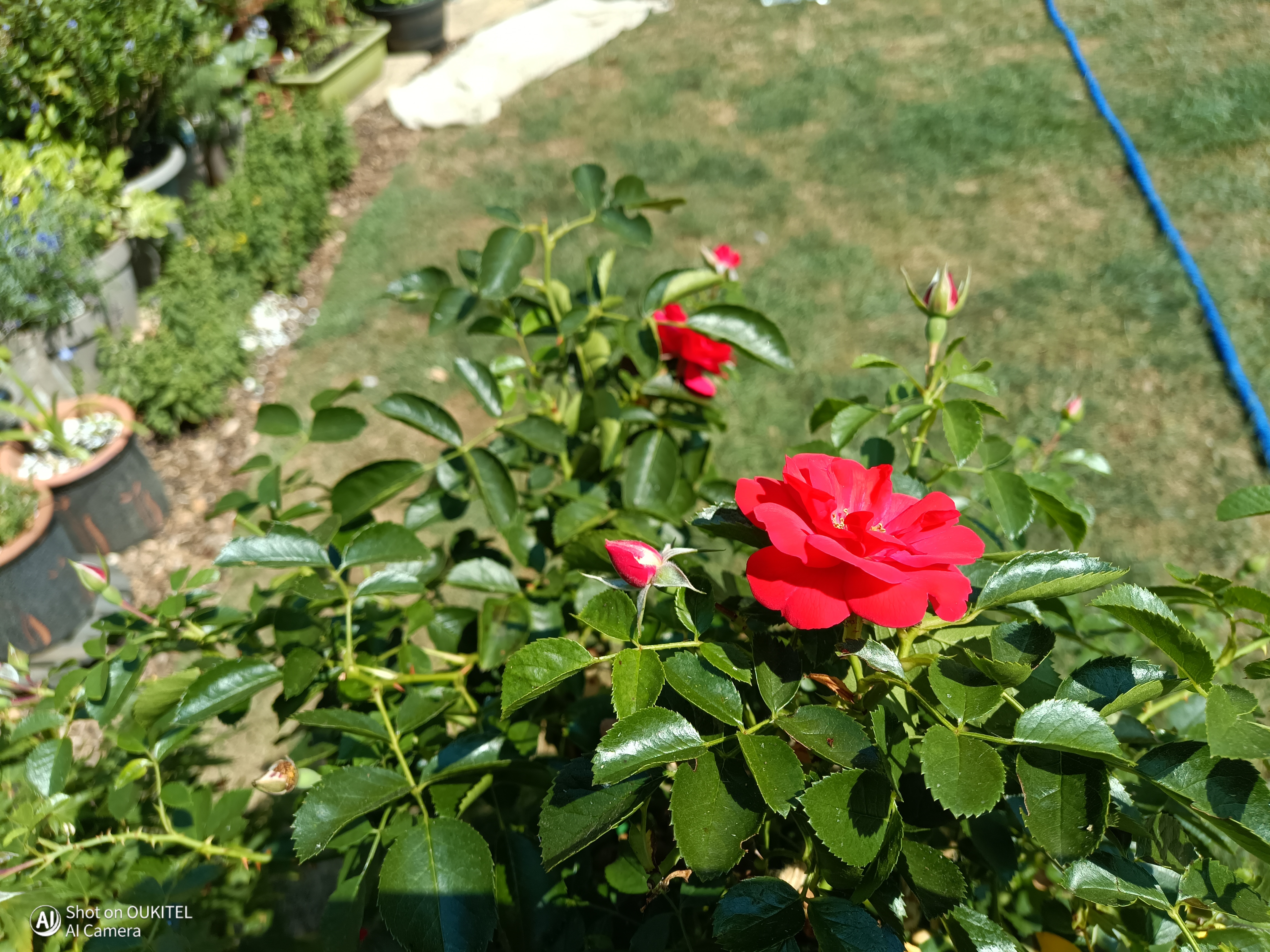

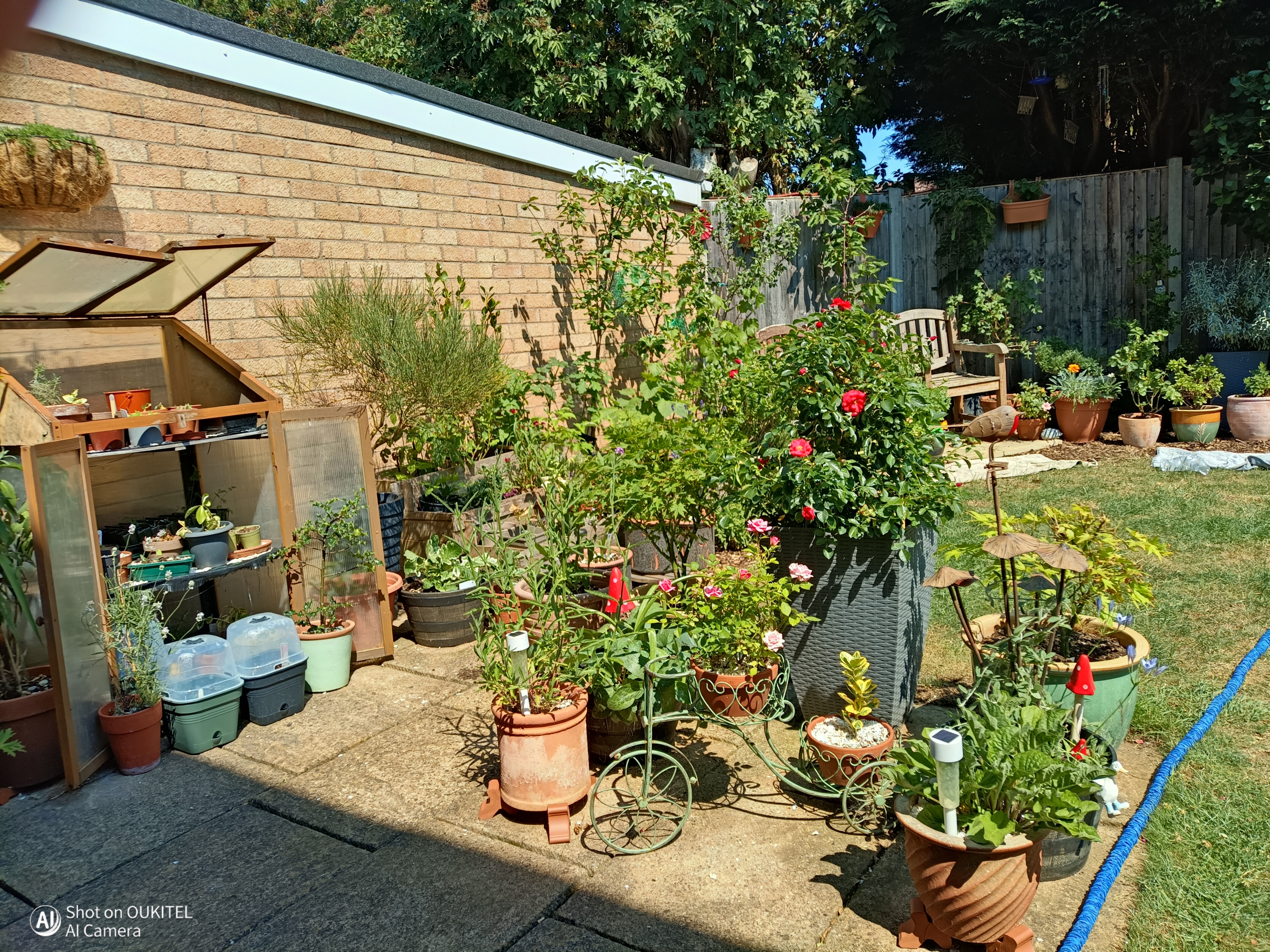
The best bit of the photo capture part of this phone is undoubtedly the 64MP OmniVision OV64B, since its pixel-binning solution for still images works remarkably well.
However, its limitation is that there are only two digital zoom levels selectable on the phone app, 1.0x and 2.0x, but 0.5x increments are possible, going all the way up to 10.0x. At least the camera doesn’t expect you to move around to create framing, if you are aware of what pinching the screen does in picture mode. It also has autofocus, which works well.
The 8MP Hynix Hi-846 Night-Vision sensor is one that’s new to this reviewer, and the results seem decent. And, it can zoom in 1.0x increments from 1.0x to 4.0x. The only limitation of this device is how far the IR illumination goes from the phone in darkness, which isn’t much more than four or five metres.
Easily the worst option is the 2MP Macro, partly because the resolution is poor, but also because it has a fixed focus lens that’s set at about 4cm. Getting that to convert into a focus-accurate image is extremely difficult, and I’d suggest using the standard lens in 64MP mode and cropping the image for better results.
As I’ve commented before, the 32MP Sony IMX616 is overkill for a selfie camera role, but it does what you expect, and the quality of the capture is good.
The big disappointment of this camera arrangement is that the highest resolution video it will capture is 1440p, or 2560 x 1400 at 30 fps. The OmniVision OV64B is rated for 4K at up to 60 fps or 4K at 30 fps with Electronic Image Stabilisation (EIS). So this limitation is entirely down to the Dimensity 7025, which does not support 4K video processing, only 1440p at 30fps. On this basis, it makes little sense that Oukitel use the OmniVision OV64B over a 32MP or even 16MP sensor.
And, if you hadn’t already guessed, this phone doesn’t support Widevine L1 encryption, so most big-name streaming services will only offer you 480p video. But since the screen is only 720 pixels high in landscape, it would only support 720p if it did have L1.
In short, the sensors are decent other than the Macro, but the SoC doesn’t allow them to be fully exploited.
- Camera score: 3.5/5
Oukitel WP68 Air: Performance
- 6nm SoC
- Mid-tier performance
|
Phone |
|
Oukitel WP68 Air |
Oukitel WP210 |
|
SoC |
|
MediaTek Dimensity 7025 |
Mediatek Dimensity 8200 |
|
GPU |
|
IMG BXM-8-256 |
Mali-G610 MC6 |
|
NPU |
|
N/A |
MediaTek NPU 580 |
|
Memory |
|
12GB/512GB |
12GB/512GB |
|
Weight |
|
314g |
311g |
|
Battery |
|
8000 |
8800 |
|
Geekbench |
Single |
915 |
1246 |
|
|
Multi |
2173 |
3968 |
|
|
OpenCL |
156 |
4310 |
|
|
Vulkan |
137 |
4736 |
|
PCMark |
3.0 Score |
12111 |
13970 |
|
|
Battery |
19h 58m (19%) |
22h 44m (19%) |
|
Charge 30 |
% |
33 |
26 |
|
Passmark |
Score |
5200 |
16455 |
|
|
CPU |
4241 |
8490 |
|
3DMark |
Slingshot OGL |
3663 |
Maxed Out |
|
|
Slingshot Ex. OGL |
2582 |
Maxed Out |
|
|
Slingshot Ex. Vulkan |
2368 |
Maxed Out |
|
|
Wildlife |
1373 |
6023 |
|
|
Nomad Lite |
125 |
625 |
Having another brand create a similar device that’s better is one thing, but having the same brand steal the limelight seems unfortunate.
Due to their similarities in the market that they were both designed to succeed, I’ve matched the WP68 Air against its WP210 brother, and this picture isn’t pretty.
Performance-wise, the Dimensity 8200 eats the 7024 for breakfast. But then, since it’s a 4nm chip, and not a 6nm one, that’s to be expected.
But where the WP68 Air truly gets kicked to the kerb is when the tests involve graphics, since the Mali-G610 MC6 is superior in every respect to the IMG BXM-8-256.
The IMG chip can’t run some of the tests properly due to support issues with both OpenGL and Vulkan, which is why the GeekBench graphics scores are so abysmal.
Of all the tests, the only ones where the WP68 Air holds its own are in the PCMark Score and battery tests. Not sure why PCMark thinks it’s nearly as good, but based on the battery capacity, it performs almost exactly the same as the WP210 when adjusted.
Though I have to wonder if the Dimensity 8200 did much more work in its 22 hours and 44 minutes than the 7025 managed over 19 hours and 58 minutes.
But the bottom line is that the WP210 is lighter, has more battery capacity, and lasts longer. The WP68 Air does charge a little faster, but with less battery to fill, that’s to be expected.
Overall, the WP68 is a shadow of the WP210, a phone that costs only a little more.
- Performance score: 3/5
Oukitel WP68 Air: Final verdict
With the price of everything that uses memory and flash storage increasing, for a casual observer, the $420 asking price for the WP68 Air seems reasonable. It’s a lightweight, rugged design that would be fine as a daily driver for many. The cameras are fine, and the amount of RAM and storage keeps it moving along quite smoothly.
However, there are a number of alternatives on the market, at least one of which is made by Oukitel itself, that seem to offer better performance and greater potential for around the same price.
I’ve concluded that Oukitel launches too many phones, and that makes the chance of them missing the obvious overlaps in their own range significantly more likely.
Unfortunately, there isn’t much about the WP68 Air that the WP210 didn’t do significantly better, so I’d recommend you get one of those instead.
Should I buy a Oukitel WP68 Air?
|
Attributes |
Notes |
Rating |
|---|---|---|
|
Value |
Not unreasonably priced, but equally not great value. |
3.5/5 |
|
Design |
A clean design where everything is where you would expect |
4/5 |
|
Hardware |
Lots of memory and storage, but the SoC is showing its age |
3.5/5 |
|
Camera |
Decent sensors, but only 2K video capture |
3.5/5 |
|
Performance |
Outclassed by newer Dimensity SoCs |
3/5 |
|
Overall |
A nice phone, but not as good as a previous design |
3.5/5 |
Buy it if…
You need a phone for outdoors
The water and dust resistance on the Oukitel WP68 AIr is enough to handle submersion and drops. And, it’s not too large to fit in a pocket, or too heavy to carry. Compared with some rugged designs, this one is decidedly practical.
You carry lots of data or apps
With 512GB of storage and 12GB of RAM, this phone is ideal for those who like to carry data and install numerous apps. And, if you give up a SIM card slot, you can add a MicroSD card for even more space.
Don’t buy it if…
You need the best video
The sensors on this phone aren’t bad, but they’re not exploited fully by the phone. With a 64MP sensor, video capture is capped at only 2K resolution. If you record video, you will want a design that can capture 4K.
You use demanding apps
Hardcore gamers and VR users will find the GPU in the WP68 Air is underpowered. There isn’t any way to fix this with 2022 SoC technology under the skin. Other Oukitel phones have better GPUs, and don’t cost much more.
Also Consider
Oukitel WP210
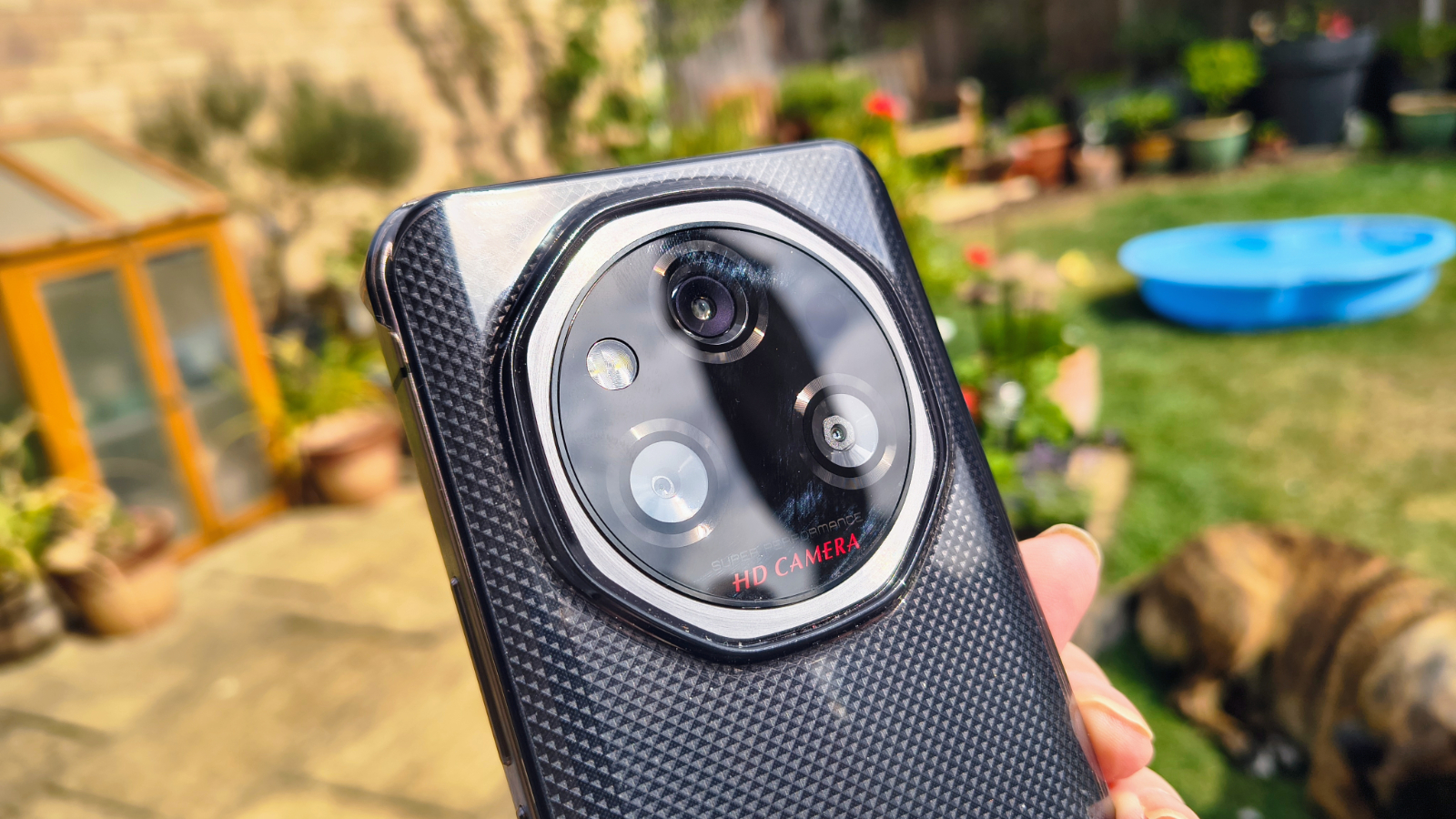
A similar design with a better SoC, larger battery and 108MP camera. This device outclasses the WP68 Air in almost every way, and it doesn’t cost much more to own.
Read my full Oukitel WP210 reviewView Deal
RugOne Xever 7 Pro
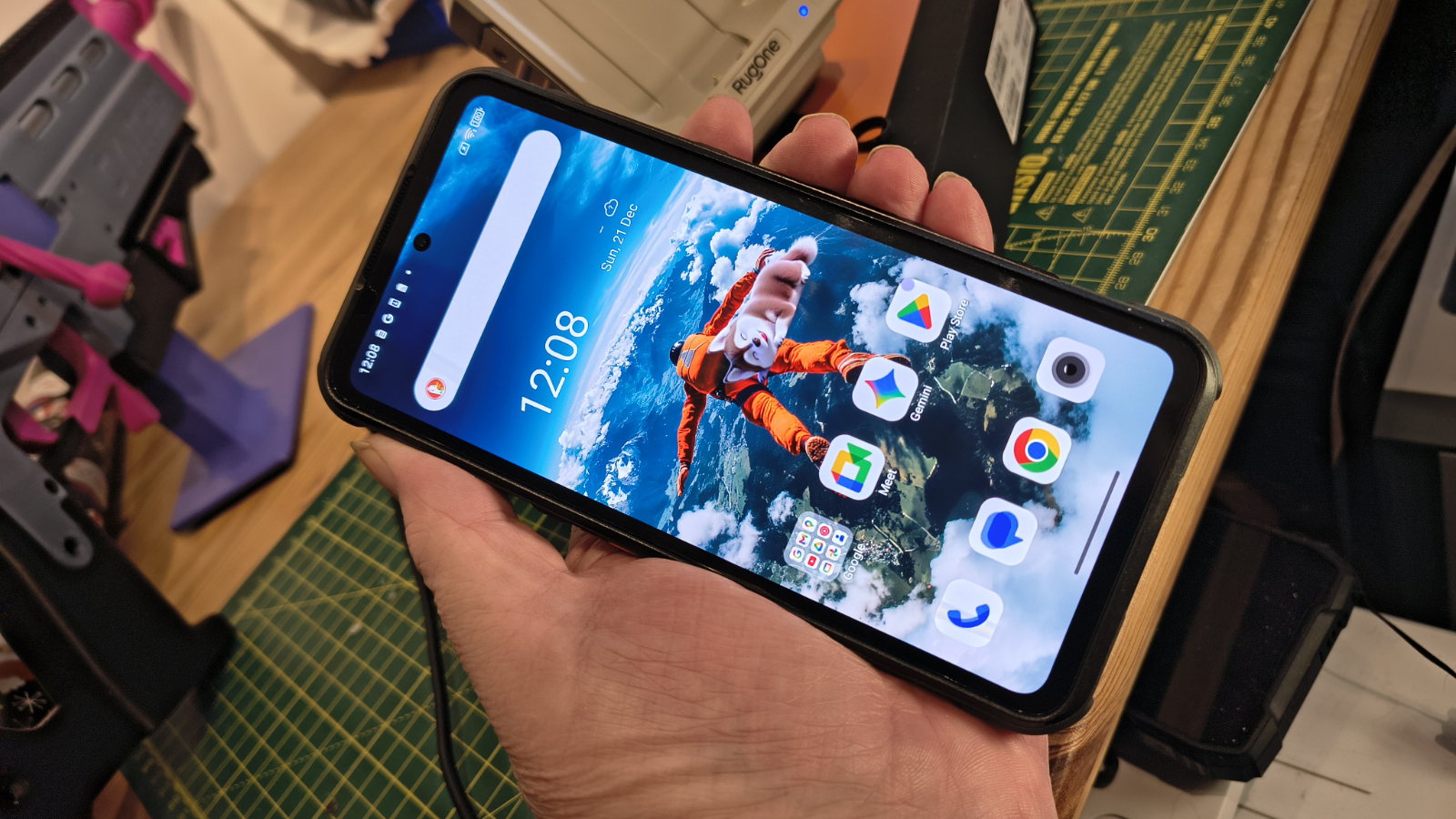
A RugOne design with swappable battery technology, but smaller batteries. The one critical advantage of this design is its thermal imaging camera. However, it costs more than the WP68 Air because of that feature.
Read my RugOne Xever 7 Pro review
For more ruggedized devices, we’ve reviewed the best rugged tablets, the best rugged laptops, and the best rugged hard drives

