


Summer is a popular time for travel in the UAE. While many people leave the country for a few weeks, their cars are left behind in extreme heat. A parked car may look safe, but high temperatures, dust, and not being driven can affect the battery, tyres, paint, interior, fuel system, and fluids.

AI Quick Summary

Leaving cars parked in the UAE’s extreme summer heat can cause various issues, including battery drain, tire damage, and paint fading. To prevent these problems, car owners should take preventative steps like parking in the shade, thoroughly cleaning the vehicle, checking the battery and tire pressure, and ensuring proper fluid levels. For longer trips, it’s also recommended to use a battery maintainer or have someone periodically check and start the car.
This summary was generated by AI using this article’s content.
Read Next


The good news is that most problems can be avoided with a few simple steps before you travel.
How Long Can A Car Sit Without Being Driven?
Most modern cars can sit unused for one to two weeks without major issues. However, this depends on the car’s condition, the battery’s health, and where it is parked.
If the car is parked for more than two weeks, the risk of problems increases. The battery may drain, tyres may lose pressure, fuel can age, and rubber parts may dry out faster in the heat.
For a short trip, basic precautions should be enough. If you are away for three to four weeks or longer, your car will need more careful preparation. Alternatively, you can choose from several car storage facilities in the UAE.
Why UAE Summer Heat Is Hard On Parked Cars
The UAE summer heat is tough on cars, even when they are not being driven. Direct sunlight can fade the paint, dry out rubber seals, and damage plastic trim. Inside, the temperature can get much higher than outside, which can affect the dashboard, seats, touchscreen, and electronics.
Common problems include:
- Weak or dead battery
- Tyre pressure loss
- Flat spots on tyres
- Paint fading
- Bad cabin smell
- Pest problems
- Stale fuel
- Fluid leaks
- Sticking brakes
Park In A Shaded Or Covered Space
The first step is to choose the right parking spot. Covered, basement, or shaded parking helps protect the car from direct sunlight, dust, and bird droppings.
If indoor parking is available, use it. It keeps the cabin cooler and reduces stress on the battery, tyres and interior materials. If you must park outdoors, avoid parking under trees, near construction sites or in open sandy areas.
A breathable car cover can also help protect your car. Avoid cheap plastic covers, as they can trap heat and moisture. Always wash and dry your car before putting on a cover, since dust left underneath can scratch the paint.
Wash And Clean The Car
Wash the car before leaving, especially if there is dust, bird droppings, tree sap or road grime on the body. These can damage the paint when left under strong sunlight.
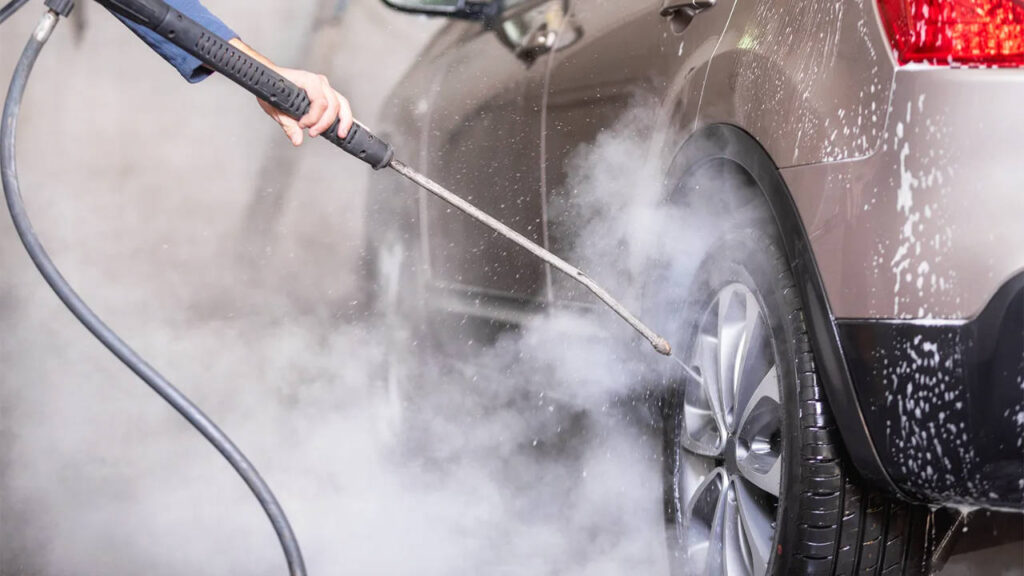
If possible, apply wax or paint protection for an extra layer of defence. Also, clean the wheels, glass and wiper blades. In extreme heat, wipers can stick to the windscreen, so lifting them slightly or protecting the rubber can help.
Clean the inside of your car as well. Take out any food, drinks, wrappers, and rubbish to prevent bad smells and insects. Empty the boot, cupholders, and door pockets. Unplug chargers, dashcams, and other accessories that could drain the battery. Here’s how to protect your car from rat bites.
Take Care Of The Battery
The 12V battery is one of the most common failure points when a car is left unused. Even when switched off, the car may still use power for the alarm, tracker, remote locking and memory systems.
Heat makes battery wear worse. If the battery is already weak, the car may not start when you return.
For longer trips, consider:
- Using a battery maintainer or trickle charger
- Asking someone to start and drive the car every one to two weeks
- Disconnecting the negative battery terminal
- Replacing an old or weak battery before travelling
Do not disconnect the battery if you are unsure. Some modern cars may lose settings or show warning lights after reconnection.
Check Tyres Before You Leave
Tyres lose pressure over time, and a parked car keeps its weight on the same part of each tyre. This can cause flat spots, leading to vibration when you drive again.
Before travelling, inflate the tyres to the manufacturer-recommended pressure. Do not exceed the maximum pressure written on the tyre sidewall. Also check for cracks, cuts, bulges and low tread.
If someone can access the car, ask them to move it slightly every couple of weeks. For very long storage, tyre cradles or jack stands can help, but they are usually not needed for a normal summer holiday.
Fuel, Fluids And Brakes
For petrol and diesel cars, avoid leaving the fuel tank almost empty. A fuller tank reduces the space where moisture can build up. If the car will be parked for several months, a fuel stabiliser can also be useful.
Check all key fluids before leaving:
- Engine oil
- Coolant
- Brake fluid
- Washer fluid
- Transmission fluid, if applicable
- Power steering fluid, if applicable
Coolant is especially important in the UAE. If the level is low or there is a leak, the car may overheat after you return.
Also, avoid leaving the parking brake engaged for extended periods if the car is parked on a flat, secure surface. The brake pads can sometimes stick to the discs. Use “P” in an automatic car, or leave a manual car in gear, and use wheel chocks if needed.
EV And Hybrid Car Care
Electric and hybrid cars also need preparation. They still use a 12V battery, and they also have a high-voltage battery pack.
For EVs, avoid leaving the battery at 0 per cent or 100 per cent for extended periods. A charge level of around 50-60 per cent is generally safer, unless the manufacturer recommends otherwise.
EV owners should:
- Park in shade or covered parking
- Leave the battery around 50 to 60 per cent
- Avoid leaving it fully charged for weeks
- Avoid leaving it nearly empty
- Keep it plugged in if the manufacturer recommends it
- Switch off energy-draining features if not needed
Hybrid owners should also check the 12V battery and follow the brand’s storage advice.
Ask Someone To Check The Car
If you are travelling for more than two weeks, ask a trusted person to check the car. Starting the engine for two minutes is not enough. A short 10 to 15-minute drive is better because it charges the battery, moves the tyres, circulates fluids and cleans light rust from the brakes.
Ask them to check for leaks, warning lights, unusual smells and pest activity.
What To Do When You Return
Do not drive away immediately after a long trip. First, walk around the car and check for visible damage, leaks and tyre pressure. Start the engine and watch for warning lights. Test the brakes gently at low speed and listen for unusual sounds.
Also, check the AC, as it is one of the most important systems in the UAE summer. If the car feels rough, smells strange, shows warning lights or has fluid under it, get it inspected before normal driving.
How To Store Your Car During Holidays
A parked car still needs care, especially during the UAE summer. Before travelling, park in the shade, clean the car, protect the battery, inflate the tyres, check the fluids, and remove anything that could cause smells or pests.
A little preparation before your trip can help you avoid a dead battery, flat tyres, damaged paint or expensive repairs when you return.
Stay tuned to the UAE’s most popular auto blog for more information about the latest happenings in all of the Emirates.
FAQs
How long can a car sit without being driven?
A healthy car can usually sit for one to two weeks. After that, battery drain, tyre flat spots and fluid issues become more likely.
How do I stop my car battery from dying while travelling?
Use a battery maintainer, disconnect the negative terminal, or ask someone to drive the car every one to two weeks.
Should I fill my fuel tank before leaving my car parked?
Yes. A full tank helps reduce moisture build-up inside the fuel tank. For long storage, a fuel stabiliser can also help.
Can tyres get damaged if a car is parked for weeks?
Yes. Tyres can lose pressure and develop flat spots. Inflate them correctly and move the car slightly if it is parked for long.
What charge should I leave my EV at while travelling?
Leave the EV battery at around 50 to 60 per cent. Avoid leaving it fully charged or nearly empty for several weeks.
Summer is a popular time for travel in the UAE. While many people leave the country for a few weeks, their cars are left behind in extreme heat. A parked car may look safe, but high temperatures, dust, and not
