


Many UAE drivers assume that choosing a smaller engine will automatically reduce fuel costs. While this can be true in some cases, the reality is more complex. Engine size works together with factors such as driving style, road conditions, and vehicle weight.

AI Quick Summary

While many UAE drivers assume smaller engines automatically reduce fuel costs, the reality is more complex. Fuel efficiency depends on factors like driving conditions, vehicle weight, and driving style; smaller engines excel in urban settings but can be less economical than larger ones on highways or under heavy loads. Therefore, the most fuel-efficient engine choice ultimately depends on an individual’s specific driving habits and needs.
This summary was generated by AI using this article’s content.
Read Next



In everyday city driving, smaller engines often use less fuel because they operate under lighter loads. However, on highways or when carrying heavy passengers or luggage, they may need to work harder, which increases fuel consumption.
- Smaller engines are efficient in light, urban use
- Larger engines can be more efficient under heavy load
Know the latest petrol prices in the UAE here.
What Does Engine Size Actually Mean?
Engine size, also known as displacement, refers to the total volume of air and fuel an engine can process. It is usually measured in litres, such as 1.0L or 2.0L. Read more about an internal combustion engine in this detailed guide article.
A larger engine can produce more power easily because it burns more fuel per cycle. However, it also has higher internal losses due to larger moving parts and friction. On the other hand, a smaller engine burns less fuel per cycle, which makes it more efficient when only a small amount of power is needed.
Why Can Smaller Engines Be More Efficient?
Smaller engines are often more efficient in daily UAE driving conditions, especially in busy urban areas like Dubai or Sharjah. They are designed to deliver enough power for everyday use while consuming less fuel.
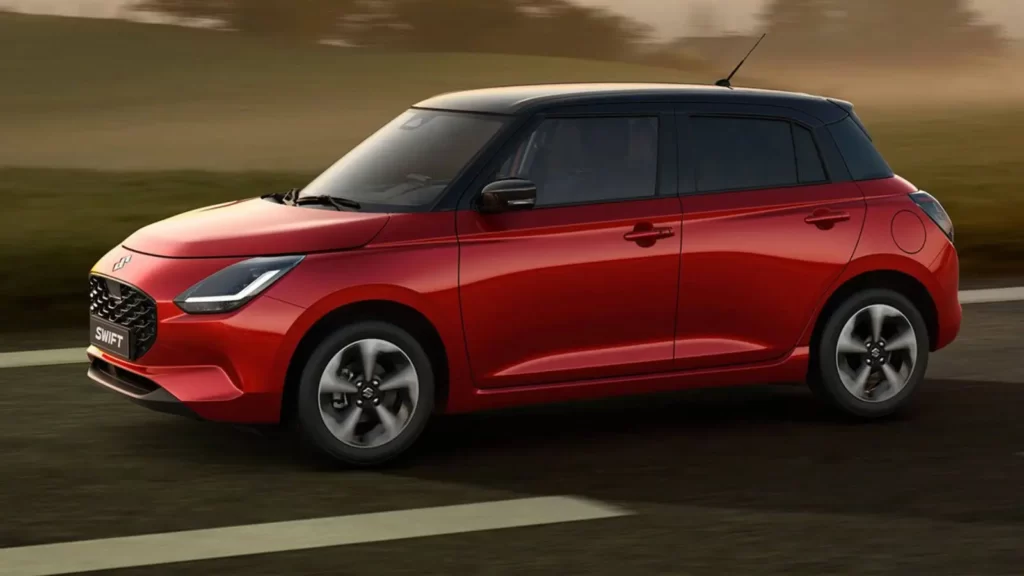
They also benefit from being installed in lighter vehicles, which require less energy to move. Modern engineering plays a big role, too. Technologies such as turbocharging, direct injection, and variable valve timing help smaller engines operate closer to their most efficient range.
What Is Turbocharging And Downsizing?
Downsizing is a common trend where manufacturers replace larger engines with smaller turbocharged ones. These engines use a turbocharger to increase power output without increasing size.
In normal driving, this setup can improve fuel efficiency because the engine operates under a higher load, where it is more efficient. However, when pushed hard, turbocharged engines require more fuel to maintain performance and protect components.
Why Are Smaller Engines Not Always More Economical?
Although smaller engines perform well in controlled conditions, real-world driving in the UAE can tell a different story. Long highway drives, high temperatures, and frequent full loads can push these engines beyond their most efficient range.
When a small engine is under constant stress, it operates at higher revs and may rely heavily on the turbocharger. This increases fuel consumption and can reduce the expected savings.
How Do Driving Conditions Affect Fuel Use?
Driving conditions play a major role in determining whether a smaller engine will save fuel. In urban environments with stop-start traffic, smaller engines tend to perform very well.
However, on long highway journeys, especially at high speeds common in the UAE, the advantage can shrink. Larger engines can maintain speed more easily without working as hard, which can result in similar or even better fuel efficiency.
What Other Factors Matter Besides Engine Size?
Engine size is only one part of the equation. Many other factors influence how much fuel a car uses in real-world conditions.
Vehicle weight, aerodynamics, gearbox tuning, and even tyre quality can all affect efficiency. Driver behaviour is equally important. Smooth acceleration and steady speeds can improve fuel economy regardless of engine size.
How Should UAE Drivers Choose The Right Engine?
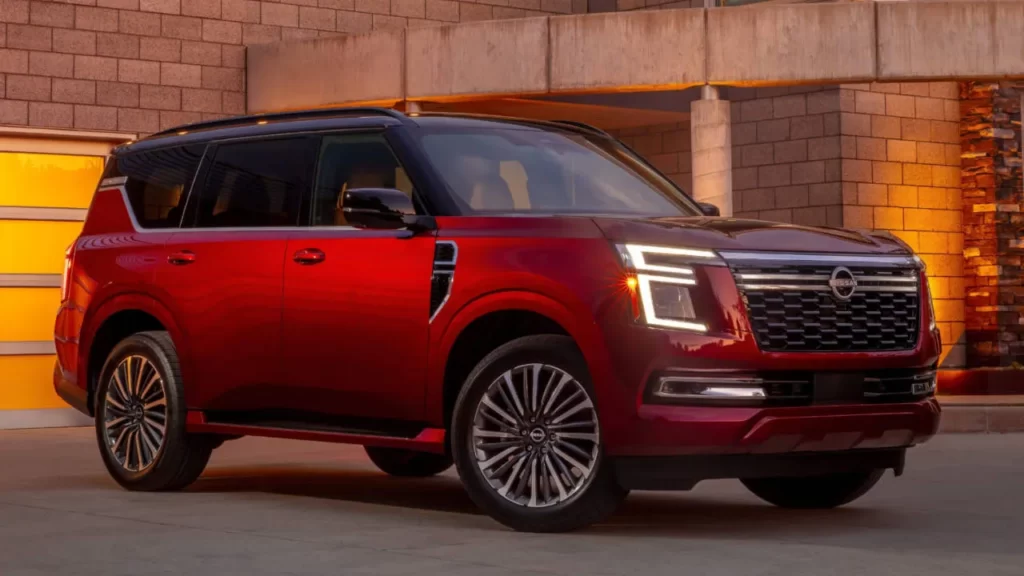
Choosing the right engine depends on how and where you drive. For daily city commuting, a smaller engine is often the better choice due to lower fuel use and easier handling in traffic.
For drivers who frequently travel long distances on highways or carry passengers regularly, a slightly larger engine option may provide better overall efficiency and comfort.
Do Smaller Engines Really Save Fuel?
Smaller engines can save fuel, but only in the right conditions. They are most efficient in light, urban driving, which makes them ideal for many UAE commuters. However, in demanding situations, their advantage can disappear.
The best choice is not always the smallest engine, but the one that fits your driving needs and habits. Even with a larger engine, changing the way you drive can help extract maximum efficiency.
Find the best used cars for sale in the UAE.
Stay tuned to UAE’s most popular auto blog for more information about the latest happenings in all of the Emirates.
FAQs
Do smaller engines always use less fuel?
No. Smaller engines use less fuel in city driving, but under heavy load or high speeds, they can consume as much or more fuel than larger engines.
Are turbocharged small engines fuel-efficient?
Yes, in normal driving. However, when pushed hard, turbocharged engines use more fuel, reducing their efficiency advantage.
Is a 1.0L engine better than a 2.0L engine for fuel economy?
It depends on usage. A 1.0L is better for city driving, while a 2.0L may be more efficient on highways or with heavy loads.
Do smaller engines struggle on highways?
They can. Smaller engines may run at higher revs on highways, which increases fuel consumption compared to larger engines running at lower stress.
What affects fuel economy more than engine size?
Driving style, vehicle weight, aerodynamics, and road conditions often impact fuel consumption more than engine size alone.
Many UAE drivers assume that choosing a smaller engine will automatically reduce fuel costs. While this can be true in some cases, the reality is more complex. Engine size works together with factors such as driving style, road conditions, and
